Connecting Live Dealer Feeds with Reward Systems and Encrypted Transactions on Mobile Casino Platforms
Written by Ellis Schmidt · Jul 11, 2026
Connecting Live Dealer Feeds with Reward Systems and Encrypted Transactions on Mobile Casino Platforms
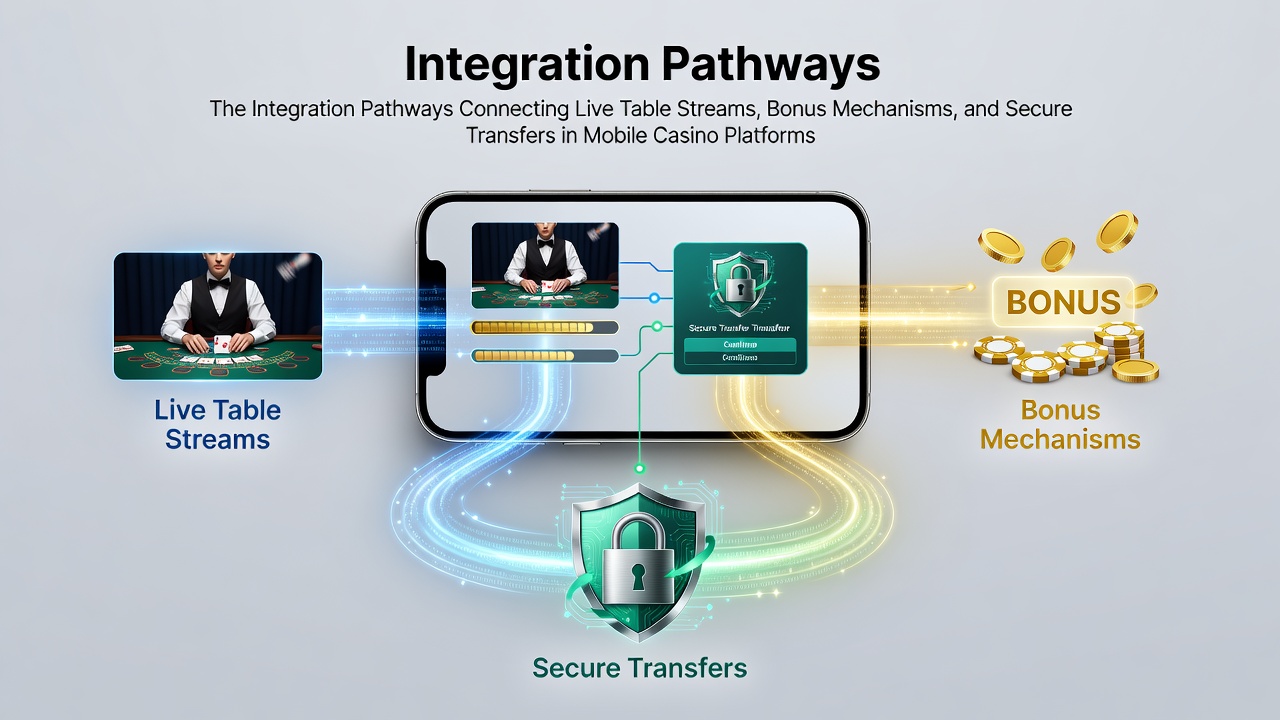
Modern mobile casino platforms coordinate three core elements through dedicated software layers that handle video delivery, reward calculations, and transaction security at the same time. Developers design these layers so that a player action on a live blackjack table can immediately trigger a bonus condition while the payment system verifies the associated transfer in real time.
Stream Coordination with Game State Data
Live table streams arrive as compressed video packets that include embedded metadata about card positions, dealer actions, and round outcomes. Backend servers read this metadata to determine whether bonus conditions have been met without waiting for separate game logs. This direct feed reduces latency between the visible table event and any reward notification that appears on the player device.
Operators maintain separate channels for the video stream and the data stream so that network congestion on one path does not interrupt the other. When bandwidth drops, the system prioritizes the data packets that carry round results because those packets control both bonus activation and transfer instructions.
Bonus Mechanisms Linked to Verified Activity
Bonus engines evaluate player behavior against predefined rules that reference the live stream metadata. A deposit bonus might require a minimum number of live table rounds within a set period, while a cashback offer can reference total stakes placed during specific dealer shifts. Because the bonus logic sits on the same server cluster that processes the stream, calculations complete within milliseconds of each round conclusion.
Platforms record every bonus trigger event with a timestamp and a unique session identifier. This record later serves as the audit trail when the transfer system prepares a withdrawal that includes bonus-derived funds. Regulators in several jurisdictions require these logs to remain available for inspection for a minimum number of years.
Secure Transfer Protocols Operating Alongside Streams
Encrypted transfer modules use tokenization to separate payment credentials from the gaming session. When a bonus triggers a payout, the token references the verified game outcome without exposing card details or account numbers to the live streaming servers. This separation keeps the video delivery infrastructure isolated from financial data flows.
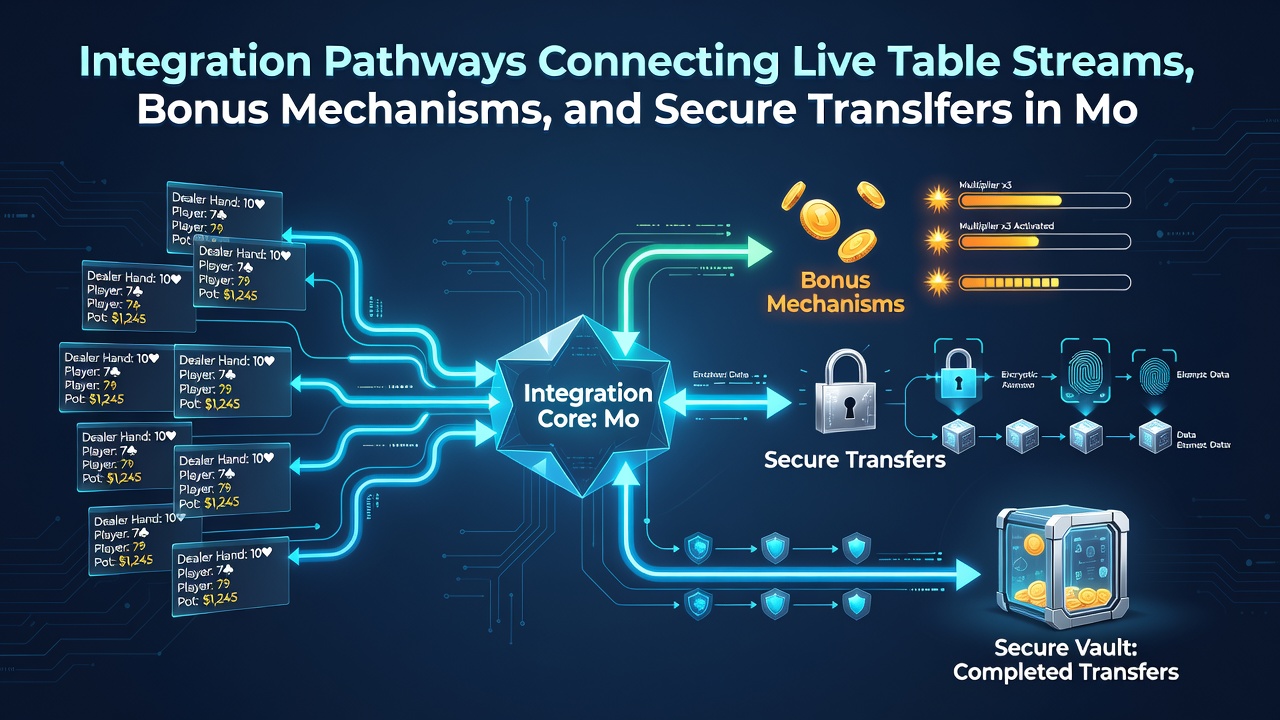
Multi-factor authentication occurs at the moment a withdrawal request is generated. The system cross-checks the session identifier from the live table stream against the bonus ledger before releasing funds. According to data published by the European Gaming and Betting Association, platforms that enforce this cross-check report fewer disputed transactions in regulatory filings.
Integration Points Across the Three Systems
Application programming interfaces connect the stream decoder, the bonus calculator, and the payment gateway through standardized message formats. Each round result travels first to the bonus engine, which then forwards an enriched payload containing any reward adjustments to the transfer module. The entire sequence completes before the next dealer action appears on screen.
Testing environments replicate these pathways using simulated network conditions that match peak-hour mobile traffic. Engineers measure the time between round completion and visible bonus credit as well as the time until the transfer request receives confirmation from the payment processor. Figures from the Australian Gambling Research Centre show average completion times under 800 milliseconds across major operators during July 2026 test cycles.
Current Platform Examples in Mid-2026
Several providers have published technical papers describing how they merged their streaming and payment stacks during the first half of 2026. One case involved rerouting bonus evaluation to edge servers located near regional data centers so that mobile users in distant markets experience the same trigger speed as those on domestic networks. Another implementation added real-time checksums to the video metadata so that any tampering attempt would invalidate both the bonus record and the linked transfer authorization.
These updates align with requirements from multiple oversight bodies that now request evidence of synchronized logging across all three components. Operators that cannot demonstrate end-to-end traceability face extended review periods before license renewals.
Conclusion
The pathways that link live table streams, bonus mechanisms, and secure transfers continue to tighten as platforms adopt unified data standards and edge computing resources. Observers note that the same session identifiers now travel through every stage from video capture to final fund movement, creating a single audit chain that satisfies both technical and regulatory demands. As mobile usage grows, these coordinated systems determine how quickly and securely players receive rewards tied directly to live dealer activity.