Coordinating Live Table Streams with Verified Payment Channels in Mobile Gaming Systems
Written by Harper Koch · Aug 3, 2026
Coordinating Live Table Streams with Verified Payment Channels in Mobile Gaming Systems
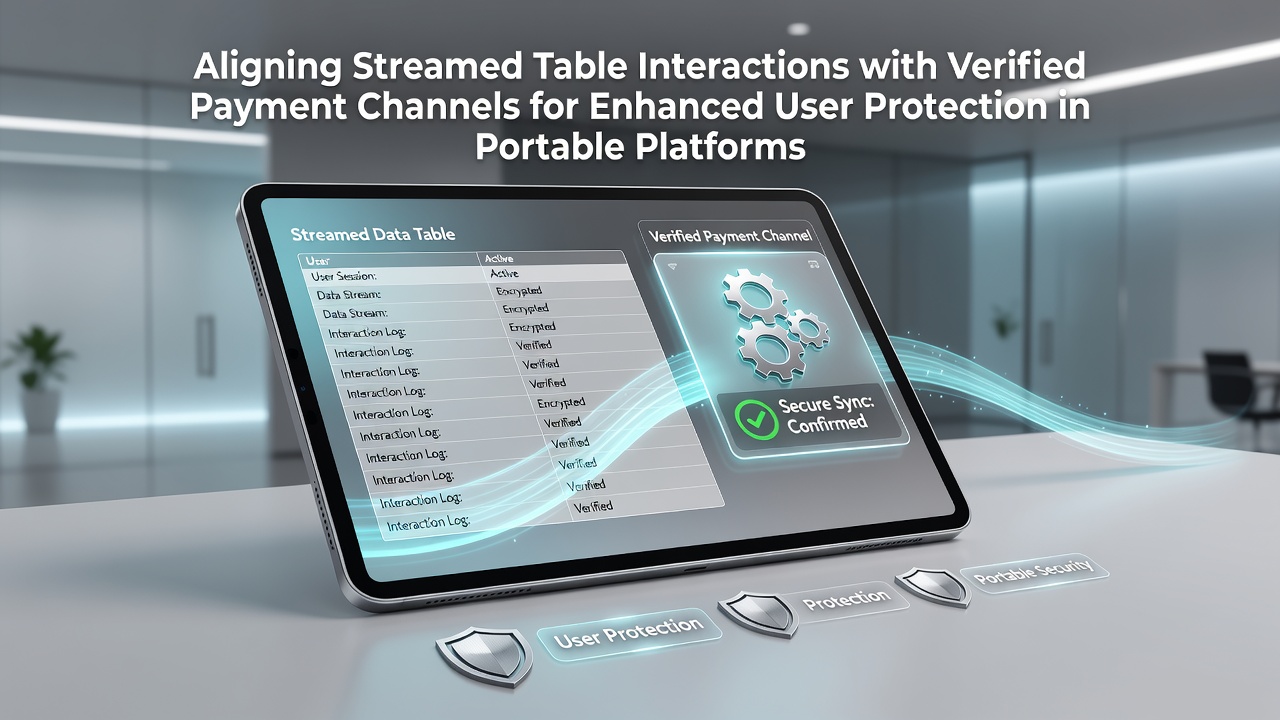
Portable platforms continue to integrate streamed table interactions with verified payment channels through coordinated protocols that link real-time video feeds directly to transaction authentication layers. Data from industry reports indicate that such alignments reduce discrepancies between player actions at virtual tables and fund movements by routing both through encrypted verification checkpoints.
Core Mechanisms Behind Stream and Payment Synchronization
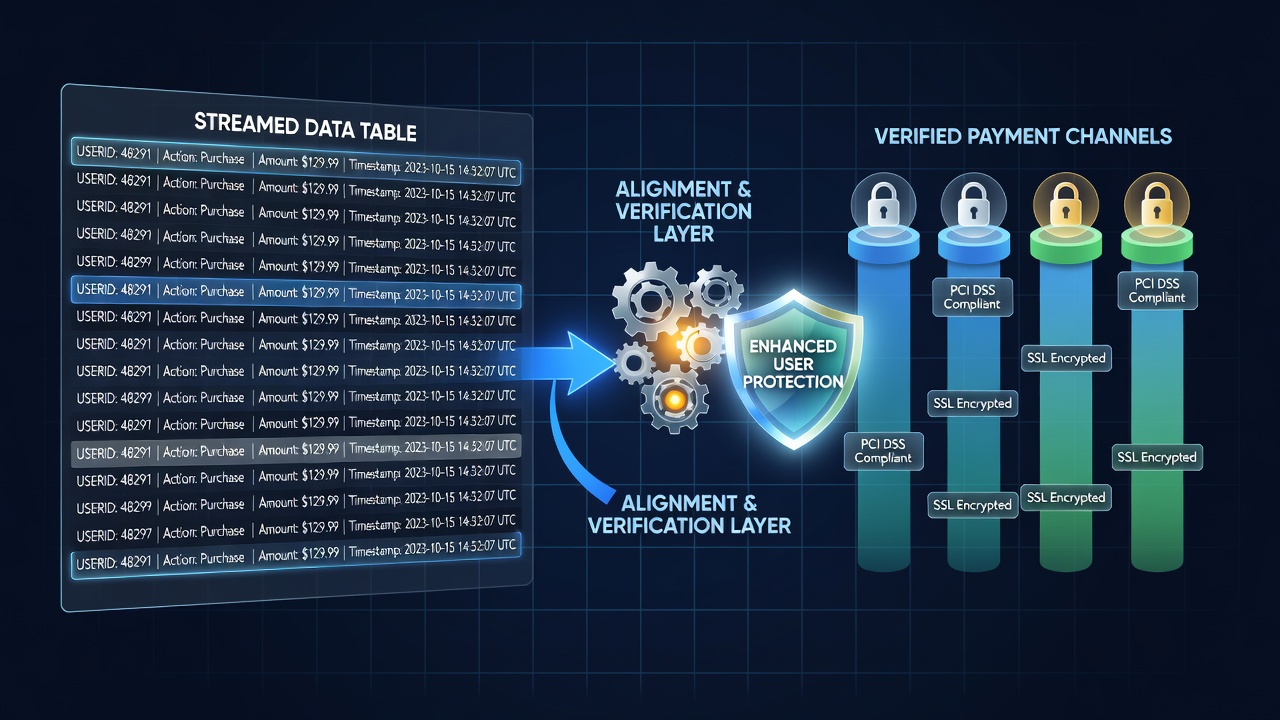
Systems achieve this coordination by embedding timestamp markers within live dealer video packets while simultaneously processing payment requests through multi-factor verification nodes. Developers design these nodes to cross-reference stream activity logs with account authentication data before authorizing any transfer, which creates a unified audit trail across both domains. Research from technical studies shows that platforms employing these methods maintain consistent session integrity even when network conditions fluctuate on handheld devices.
Verification layers operate by generating unique session tokens that bind each table interaction event to a corresponding payment authorization request. When a player places a wager during a streamed blackjack round, the system records the action alongside a cryptographic hash that payment channels must match before releasing funds. This approach ensures that unauthorized attempts to alter stream data or intercept transfers trigger immediate session halts.
Security Enhancements in Portable Environments
Portable casino applications benefit from these alignments because mobile networks expose sessions to variable latency and potential interception points. Engineers implement adaptive buffering that delays payment confirmations until stream packets confirm the table state has not been tampered with. Figures from regulatory filings reveal that such protocols have contributed to measurable declines in disputed transactions across multiple jurisdictions during the first half of 2026.
Additional protections arise through continuous monitoring of stream integrity alongside payment channel status. When anomalies appear in either feed, the system can isolate the affected session without disrupting unrelated user activity on the same platform. Observers note that this selective isolation preserves overall service availability while addressing specific threats at their source.
Implementation Across Regulatory Frameworks
Regulatory bodies in different regions have begun incorporating requirements for stream-payment alignment into licensing standards. The Nevada Gaming Control Board has referenced similar technical coordination in its compliance guidelines for mobile operators, while Australian authorities have examined comparable measures through the Australian Communications and Media Authority framework. These standards emphasize that platforms must demonstrate verifiable linkages between streamed events and financial movements before receiving operational approval.
Industry organizations such as the European Gaming and Betting Association have published technical papers detailing best practices for embedding verification within mobile architectures. Those documents highlight case examples where platforms achieved full synchronization across dealer streams and payment rails without introducing noticeable delays for end users. Data compiled by these groups shows adoption rates increasing steadily through mid-2026.
Technical Challenges and Ongoing Developments
Challenges persist around maintaining synchronization when devices switch between cellular and Wi-Fi connections mid-session. Solutions involve redundant verification pathways that activate automatically upon detecting network transitions, ensuring payment channels remain bound to the active stream state. Engineers continue refining these pathways through iterative testing on diverse hardware configurations.
August 2026 saw several platform updates that incorporated advanced token rotation techniques to further strengthen the binding between table interactions and financial channels. These updates addressed specific vulnerabilities identified in earlier mobile deployments, resulting in enhanced resilience against session hijacking attempts.
Conclusion
Alignments between streamed table interactions and verified payment channels represent a foundational element in current mobile gaming security architectures. As platforms evolve, continued refinement of these linkages supports stronger user protection across portable environments while meeting diverse regulatory expectations worldwide.