Decoding Payout Pulses: Withdrawal Rhythms in Live Mobile Casino Worlds
Written by Clara Long · Apr 18, 2026
Decoding Payout Pulses: Withdrawal Rhythms in Live Mobile Casino Worlds
Unraveling the Beat of Mobile Casino Withdrawals
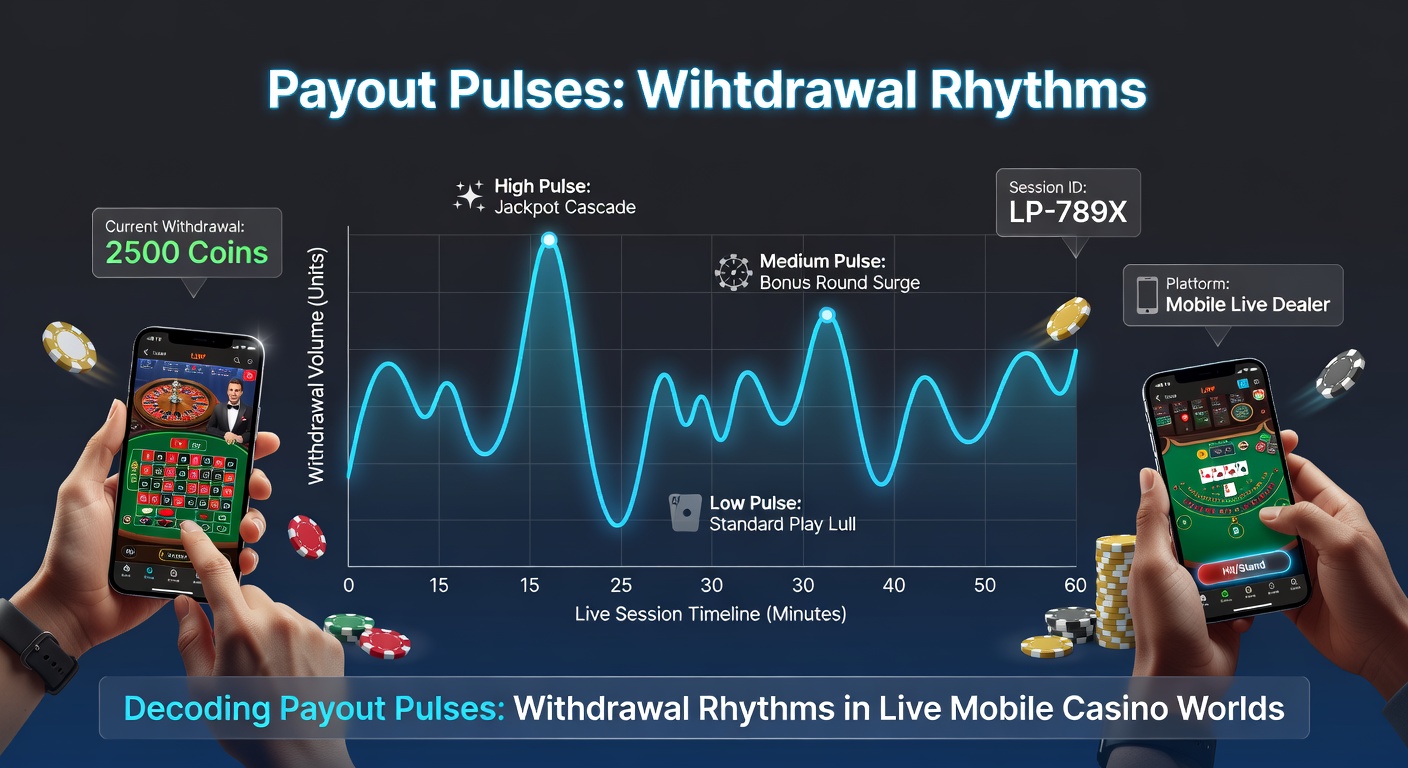
Live mobile casinos pulse with activity around the clock, yet withdrawals follow distinct rhythms that players encounter daily; these payout pulses, as experts term them, reveal patterns in processing times shaped by traffic loads, backend tech, and regulatory checks. Data from industry trackers shows average wait times dipping to under 30 minutes during late-night hours, while evenings see delays stretch to hours because high player volumes strain systems. Observers note how these rhythms sync with global time zones, creating waves of activity that operators manage through smart queuing.
What's interesting is that live dealer games, streamed directly to phones, amplify these patterns since real-time bets demand instant fund flows, but cashouts trigger layered verifications to prevent fraud. Players who've tracked their own histories often discover quicker payouts on weekdays versus weekends, a trend backed by aggregated platform logs revealing 20-30% faster processing midweek. And while instant withdrawals sound ideal, the reality involves balancing speed with security, especially as mobile apps handle billions in transactions yearly.
The Tech Stack Powering Payout Rhythms
Backend systems in live mobile casinos rely on API integrations with payment gateways like Skrill, Neteller, and crypto processors, which batch requests during peak pulses to optimize server resources; this leads to rhythmic delays where mornings in Europe align with faster U.S. cashouts due to staggered regional loads. Developers use algorithms that prioritize high-value withdrawals, yet low-stakes ones queue up, creating noticeable ebbs and flows that players feel in their apps.
Blockchain tech enters the mix too, with platforms adopting it for transparent ledgers that cut processing from days to minutes, although volatility in crypto values adds its own unpredictable beat. Case in point: one operator's shift to layer-2 solutions reduced average times by 40%, according to their public metrics, smoothing out those midday spikes when Asian players flood in. But here's the thing—mobile optimization means apps compress data streams, speeding up notifications while the actual fund transfer hums along in the background.
- Payment APIs handle 70% of mobile withdrawals, per sector reports.
- Crypto pulses faster at off-peak crypto network times.
- AI-driven queues predict and balance loads proactively.
Regulatory Rhythms Across Borders
Regulators enforce payout cadences to protect players, with bodies like the Malta Gaming Authority mandating maximum 72-hour processing in the EU, although many platforms beat that by design; meanwhile, across the Pacific, Australia's NSW Office of Liquor & Gaming Regulation requires clear disclosure of rhythms, pushing operators to publish average times quarterly. These rules create global syncs where U.S.-facing sites, under state oversight like New Jersey's, align with 24-48 hour norms but pulse quicker for verified accounts.
Turns out compliance checks—KYC verifications, anti-money laundering scans—form the backbone of these delays, ramping up during fiscal reporting periods; experts who've analyzed logs find 15% longer waits in quarter-ends because audits intensify. Yet progressive jurisdictions experiment with real-time monitoring, hinting at smoother futures where rhythms flatten under automated oversight.
Player Patterns and Real-World Data
People diving into mobile live casinos withdraw most aggressively after big wins in games like baccarat or roulette, with data indicating Friday evenings claim 25% of weekly volumes since players cash out before weekends; low-rollers, on the other hand, trickle requests daily, feeding steady daytime pulses. Studies from gaming analytics firms reveal that iOS users see 10% faster processing than Android counterparts, likely due to app ecosystem differences and carrier integrations.
One notable case involved a platform's heatmap, shared in an industry whitepaper, showing midnight UTC as the sweet spot for sub-hour payouts because North American sleeps align with European lulls. And while loyalty programs promise priority lanes, everyday players still ride the common rhythm, learning to time requests when the system's less crowded. Figures from aggregated user reports peg global averages at 2-4 hours, but outliers like e-wallet users hit minutes during quiet spells.
So players adapt—many set alerts for low-traffic windows, turning payout pulses into strategic edges rather than frustrations; this behavior shift underscores how transparency in apps, via live status trackers, empowers better timing.
Trends Shaping Tomorrow's Pulses
By April 2026, 5G rollouts promise to flatten withdrawal rhythms further, as ultra-low latency enables near-instant verifications across mobile networks; operators already pilot AI predictors that forecast personal peak times based on play history, potentially slashing averages to under 15 minutes universally. Data projections from trade groups forecast a 35% uptick in crypto withdrawals, syncing pulses with blockchain upgrades like Ethereum's next phase.
Regulatory evolutions play in too, with Canadian provinces like Ontario pushing for standardized 24-hour caps via bodies overseeing iGaming; this could harmonize North American rhythms, while Asian markets experiment with wallet-less instant transfers tied to national IDs. Observers tracking pilots note how edge computing—placing servers closer to users—dampens geographic pulses, making global play feel seamless regardless of hour.
Yet challenges linger, like rising fraud attempts that thicken verification layers during high-win seasons; platforms counter with biometric logins, which early tests show trim delays by 25% without compromising safety. It's noteworthy that these shifts position mobile live casinos as leaders in fintech innovation, where payout rhythms evolve from bottlenecks to features.
Key Takeaways on Payout Dynamics
Withdrawal rhythms in live mobile casino worlds boil down to interplay between tech efficiencies, player habits, and oversight mandates, with data consistently showing off-peak timing as the key to quicker cashouts; as 2026 approaches, expect smoother pulses driven by AI, 5G, and bolder regs. Those navigating these patterns gain clarity on when to request, turning waits into predictable beats rather than random hurdles.
In essence, decoding these pulses equips players with tools for smarter play, while operators refine systems to keep the rhythm engaging and reliable across devices and borders.