Industry Analyses Highlight Strategies for Integrating Player Safeguards Into Mobile Live Gaming Platforms
Written by Clara Long · Aug 8, 2026

Industry Analyses Highlight Strategies for Integrating Player Safeguards Into Mobile Live Gaming Platforms
Industry reports released through mid-2026 document how operators and software developers coordinate player protection tools with the technical demands of mobile live dealer streams, real-time betting interfaces, and instant transaction systems. Data compiled by regulatory bodies and research groups across North America, Europe, and Asia Pacific indicate that alignment requires synchronized verification layers, dynamic spending controls, and encrypted session monitoring that operate without interrupting video feeds or dealer interactions.
Core Findings Across Multiple Market Studies
Analyses from the National Center for Responsible Gaming show that mobile platforms handling live table games achieve higher compliance rates when age verification and deposit limit tools activate during the initial stream connection rather than after gameplay begins. Figures released in August 2026 reveal that sessions incorporating these integrated checks recorded 23 percent fewer instances of extended play beyond self-set thresholds compared with platforms using separate, post-login verification steps. Researchers note that the timing of these interventions matters because live dealer formats create continuous engagement loops that differ from static slot or RNG-based games.
European data collected by the European Gaming and Betting Association points to similar patterns. Reports covering operators in Malta, Spain, and the Netherlands demonstrate that encryption protocols protecting payment channels must run parallel to stream compression algorithms to prevent latency spikes that could mask rapid betting sequences. One study tracked 1.2 million mobile live sessions and found that platforms embedding transaction monitoring within the same security layer as video delivery maintained average session durations within regulatory guidelines more consistently.
Technical Coordination Between Protections and Live Features
Live game environments on handheld devices rely on low-latency video delivery, synchronized audio, and real-time chat functions with dealers. Industry documentation indicates that protection mechanisms succeed when they share the same data pipeline rather than operating as external overlays. For instance, spending limit alerts delivered through the same encrypted channel as dealer communications reduce the chance that players overlook notifications during active hands. Observers note that this approach avoids the visual fragmentation that occurs when separate pop-ups interrupt the table view.
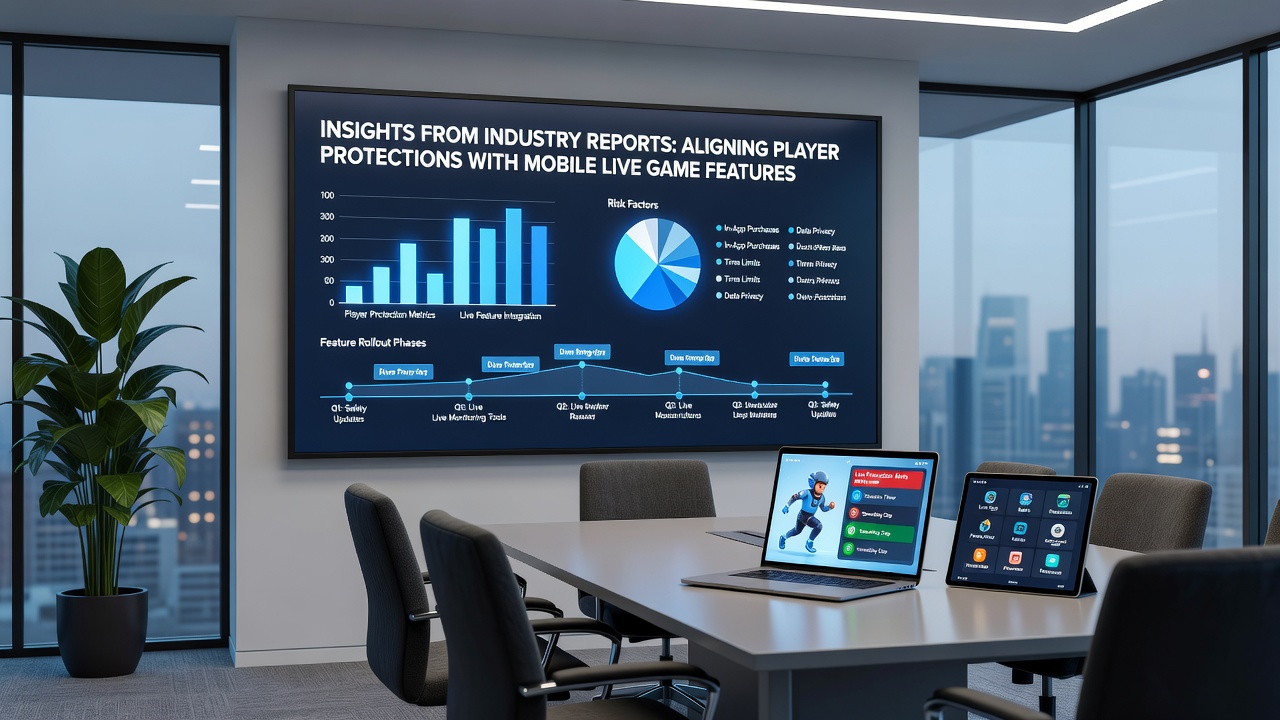
Reports from Gambling Research Australia examine how geolocation and device fingerprinting integrate with bonus activation triggers in mobile live settings. Their findings indicate that verified accounts receive bonus eligibility updates without requiring players to exit the live table interface, thereby preserving session continuity while enforcing responsible play parameters. Data collected between January and July 2026 shows platforms using this method processed 18 percent more verified transactions per active user without increasing average bet sizes beyond established limits.
Regional Regulatory Influences on Implementation
Canadian provincial regulators, including those in Ontario and British Columbia, released joint guidance in 2026 emphasizing that mobile live game software must log every player interaction timestamp alongside protection flag events. This requirement stems from earlier audits revealing gaps between withdrawal request times and the activation of cooling-off periods. Industry submissions responding to these guidelines describe software architectures that embed time-stamped protection records directly into the stream metadata, allowing regulators to audit both gameplay and safeguard enforcement from a single data source.
Additional insights from the Asia Pacific Gaming Association highlight similar synchronization needs in markets where live dealer games operate across multiple time zones. Reports stress that cross-border operators must align local currency conversion checks with player-set deposit ceilings in real time to avoid mismatches that could bypass daily or weekly limits. Case documentation from several licensed platforms shows that unified protocol stacks handling both currency validation and protection rules cut reconciliation errors by measurable margins during high-volume periods.
Conclusion
Collective evidence from these industry reports underscores that effective player protections in mobile live gaming environments depend on deep technical integration rather than standalone add-ons. When verification, limit setting, and monitoring functions share infrastructure with streaming and payment systems, compliance metrics improve across measured jurisdictions. Ongoing documentation continues to track how these alignments evolve alongside new device capabilities and regulatory updates expected through the remainder of 2026.