Integrating Compliance Verification with Encrypted Streaming in Mobile Casino Table Games
Written by Quinn Lehmann · Aug 15, 2026
Integrating Compliance Verification with Encrypted Streaming in Mobile Casino Table Games
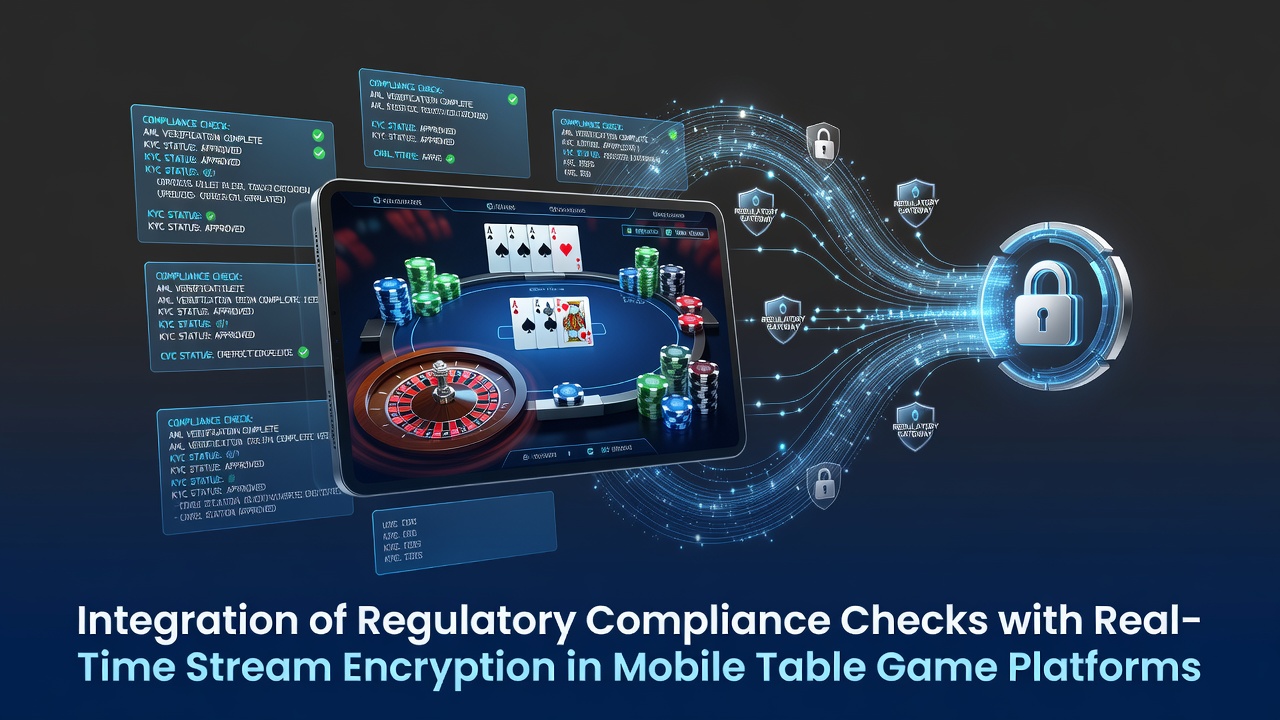
Platform developers continue to align regulatory compliance protocols with real-time encryption methods for live dealer streams in mobile table games, and this coordination addresses both legal mandates and data protection needs across multiple jurisdictions. Systems now perform identity verification, transaction monitoring, and age checks while encrypting video feeds from dealer tables to player devices, and the process occurs without noticeable delays in gameplay. Data from industry implementations shows that these combined layers reduce unauthorized access risks while meeting requirements set by bodies such as the Nevada Gaming Control Board and the New Jersey Division of Gaming Enforcement.
Regulatory Frameworks Shaping Mobile Table Game Operations
Compliance standards require platforms to verify player eligibility before and during sessions, and regulators in various regions enforce these rules through continuous monitoring rather than one-time checks. In August 2026, updates from the Australian Communications and Media Authority highlighted the need for seamless integration of verification tools with streaming technologies, which prompted several operators to upgrade their mobile applications. These frameworks cover anti-money laundering protocols alongside responsible gaming measures, and they apply directly to table games such as blackjack and roulette where live video streams form the core experience.
Real-Time Stream Encryption Techniques
Encryption protocols applied to live dealer feeds use advanced key exchange methods that rotate during active sessions, and this approach secures video data as it travels from studio cameras to mobile endpoints. Engineers design these systems to handle high-bandwidth requirements without compromising frame rates, while compliance modules run parallel checks on user accounts. The combination allows platforms to flag suspicious activity in the background, and observers note that such dual processing maintains session continuity for players across different network conditions.
Key Components of Integrated Systems
- Automated identity verification that triggers at session start and at random intervals
- End-to-end encryption standards applied to both video streams and associated metadata
- Transaction logging synchronized with encryption keys for audit trails
- Geolocation and device fingerprinting layered into the compliance workflow
Studies from research institutions such as the Gambling Research Exchange Ontario indicate that platforms adopting these integrated approaches achieve higher compliance rates during regulatory audits. The process begins with initial player onboarding that captures necessary documentation, after which the system maintains encrypted connections that carry both gameplay visuals and verification signals simultaneously.
Implementation Across Mobile Platforms
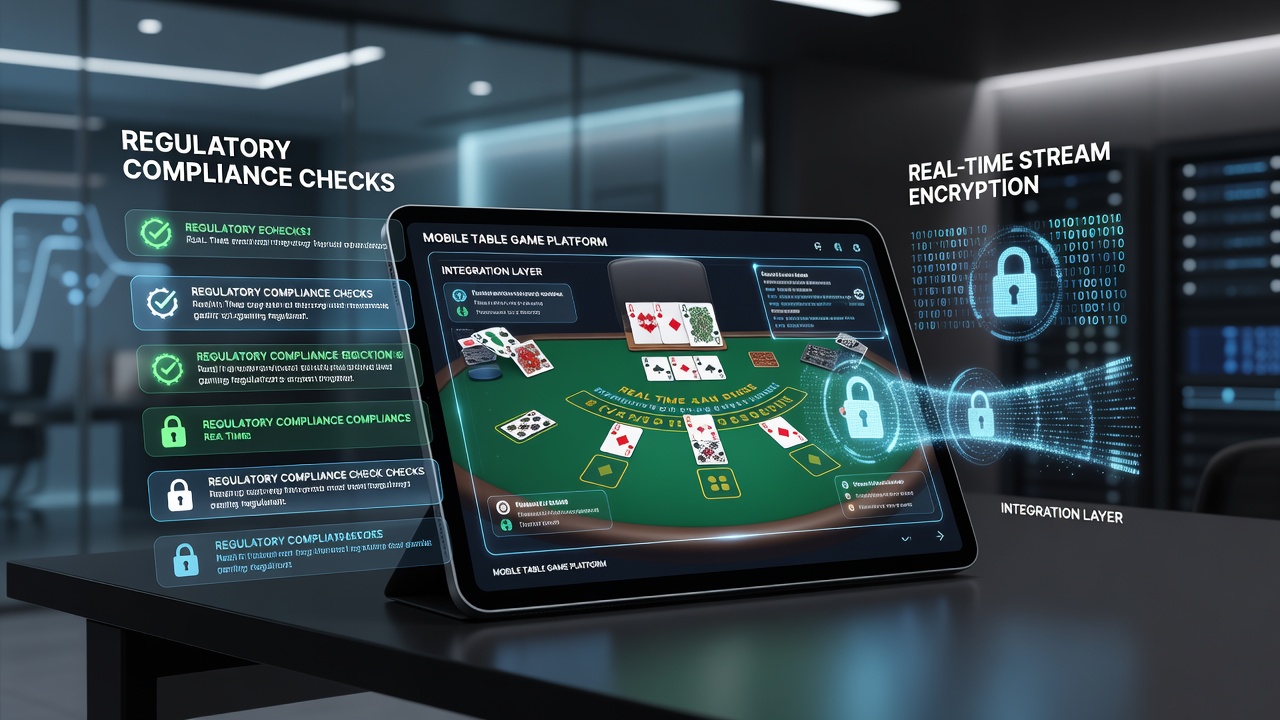
Developers embed compliance engines within the same application layer that manages stream decryption, and this architecture reduces latency compared to separate verification services. Mobile table game providers report that API connections between compliance databases and encryption servers enable instant updates when regulatory rules change. In practice, a player joining a live roulette table undergoes background checks while the encrypted feed loads, and the entire sequence completes in under two seconds according to platform performance metrics. Those who have examined these deployments find that the method scales effectively across thousands of concurrent users without requiring additional hardware on the player side.
Coordination between encryption pathways and compliance triggers also supports bonus activation rules that depend on verified status, and this linkage prevents distribution of promotional funds to unapproved accounts. Software teams test these integrations through simulated regulatory scenarios that mimic inspections from authorities in different regions, which helps identify potential conflicts before they affect live operations.
Technical Challenges and Solutions
Bandwidth variations on mobile networks present one ongoing issue for maintaining both encryption strength and compliance speed, yet engineers address this through adaptive bitrate streaming that preserves security levels. Data synchronization between the compliance database and the encryption module requires precise timestamp matching, and platforms use distributed ledger elements in some cases to create immutable records of verification events. Researchers have documented cases where misaligned timestamps led to temporary session interruptions, but updated protocols have largely resolved these occurrences through better clock synchronization standards.
Conclusion
The integration of regulatory compliance checks with real-time stream encryption continues to evolve in mobile table game environments, and current implementations demonstrate measurable improvements in both security posture and operational efficiency. As regulatory bodies introduce new guidelines and encryption standards advance, platforms maintain focus on seamless coordination that supports uninterrupted player experiences while satisfying legal obligations across jurisdictions.