Integrating Live Dealer Streams with Payment Authorization in Portable Casino Environments
Written by Viktor Lange · Jun 20, 2026
Integrating Live Dealer Streams with Payment Authorization in Portable Casino Environments
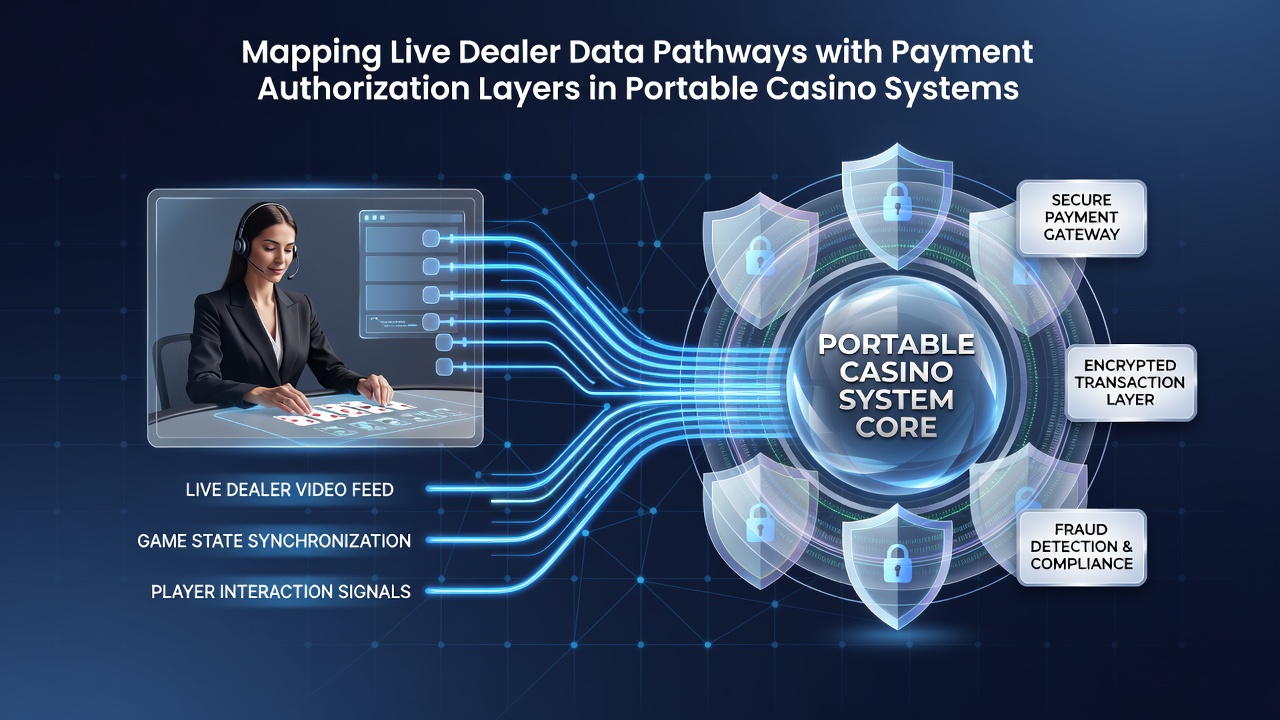
Data from live dealer tables moves through mobile networks in structured sequences that connect video streams directly to transaction processing systems, and observers note this integration has gained attention as portable casino platforms expanded their capabilities by June 2026. Real-time video feeds originate from studio cameras or on-site tables, travel through content delivery networks, and reach player devices while parallel channels handle authentication checks before any wager processes.Data Pathways in Mobile Live Dealer Systems
Live dealer platforms transmit multiple data types simultaneously, including video packets, game state updates, and player inputs, all routed through APIs that maintain synchronization across devices. Research from industry reports indicates these pathways rely on protocols such as WebRTC for low-latency video delivery combined with secure sockets for command exchanges. When a player places a bet on a mobile app, the system logs the action, validates it against table rules, and forwards confirmation back through the same layered network.
Portable systems often segment these flows into distinct layers where video content bypasses certain security checkpoints that payment data must pass. Experts have observed that this separation reduces processing delays yet requires precise mapping to avoid desynchronization during peak usage periods. Figures from regulatory filings show average stream latencies dropping below 200 milliseconds in optimized networks during early 2026 testing phases.
Payment Authorization Layers and Their Coordination
Authorization layers function as sequential gates that verify funds, apply fraud filters, and confirm compliance before releasing game credits. These layers typically include tokenization services, risk scoring engines, and banking interfaces that operate independently yet receive triggers from the dealer stream management software. According to documentation from the Nevada Gaming Control Board, portable platforms must log each authorization event with timestamps that align to the nearest millisecond for audit purposes.
Coordination occurs through middleware that listens for game events such as card reveals or wheel spins and matches them to pending transaction requests. One study revealed that mismatches in these alignments led to temporary holds on accounts until reconciliation scripts completed their cycles. Systems developed in 2025 incorporated event-driven architectures that allow authorization calls to initiate without interrupting the continuous video feed reaching the player's screen.
Security Measures Across Portable Frameworks
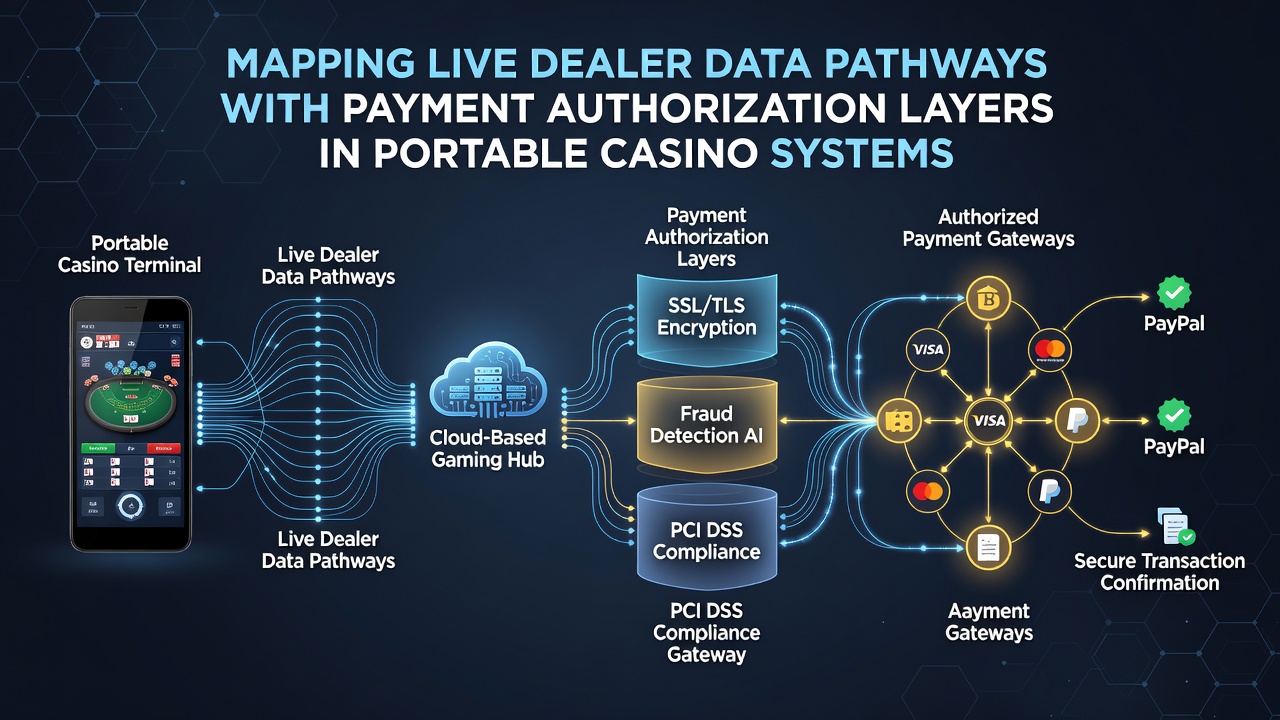
Encryption protects both the dealer data pathways and the payment authorization channels through distinct key management systems. Transport Layer Security protocols secure video packets while payment data undergoes additional encryption under standards such as PCI DSS. Researchers discovered that combining these measures creates overlapping protection zones where a breach in one layer does not automatically expose the other.
Device fingerprinting and behavioral analytics add further checkpoints within mobile environments. Data shows that platforms monitoring session patterns can flag anomalies before they reach the authorization stage, thereby reducing false declines. In June 2026 several operators reported updated firmware that strengthened these checks on Android and iOS builds without increasing average session load times.
Regulatory Context and Technical Standards
Gaming authorities in multiple jurisdictions require detailed documentation of how live dealer data routes interface with financial processing modules. The Australian Communications and Media Authority has published guidelines emphasizing the need for auditable logs that trace every data packet from table to bank interface. Industry associations such as the European Gaming and Betting Association have compiled case examples where mapped pathways helped resolve disputes arising from interrupted mobile sessions.
Technical standards continue to evolve with new specifications for API handshakes that support simultaneous stream and payment operations. Observers note that operators adopting these standards achieved higher throughput during high-volume periods compared with legacy setups. Portable casino systems now routinely undergo third-party penetration testing focused specifically on the junctions between dealer feeds and authorization services.
Conclusion
The mapping of live dealer data pathways alongside payment authorization layers forms a foundational element in current portable casino systems, and documentation from multiple regulatory bodies confirms ongoing refinements through mid-2026. Continued alignment between streaming technologies and financial protocols supports uninterrupted play across mobile networks while meeting established security and compliance requirements.