Linking Player Verification to Uninterrupted Table Play in Portable Casino Software
Written by Ellis Schmidt · May 30, 2026
Linking Player Verification to Uninterrupted Table Play in Portable Casino Software
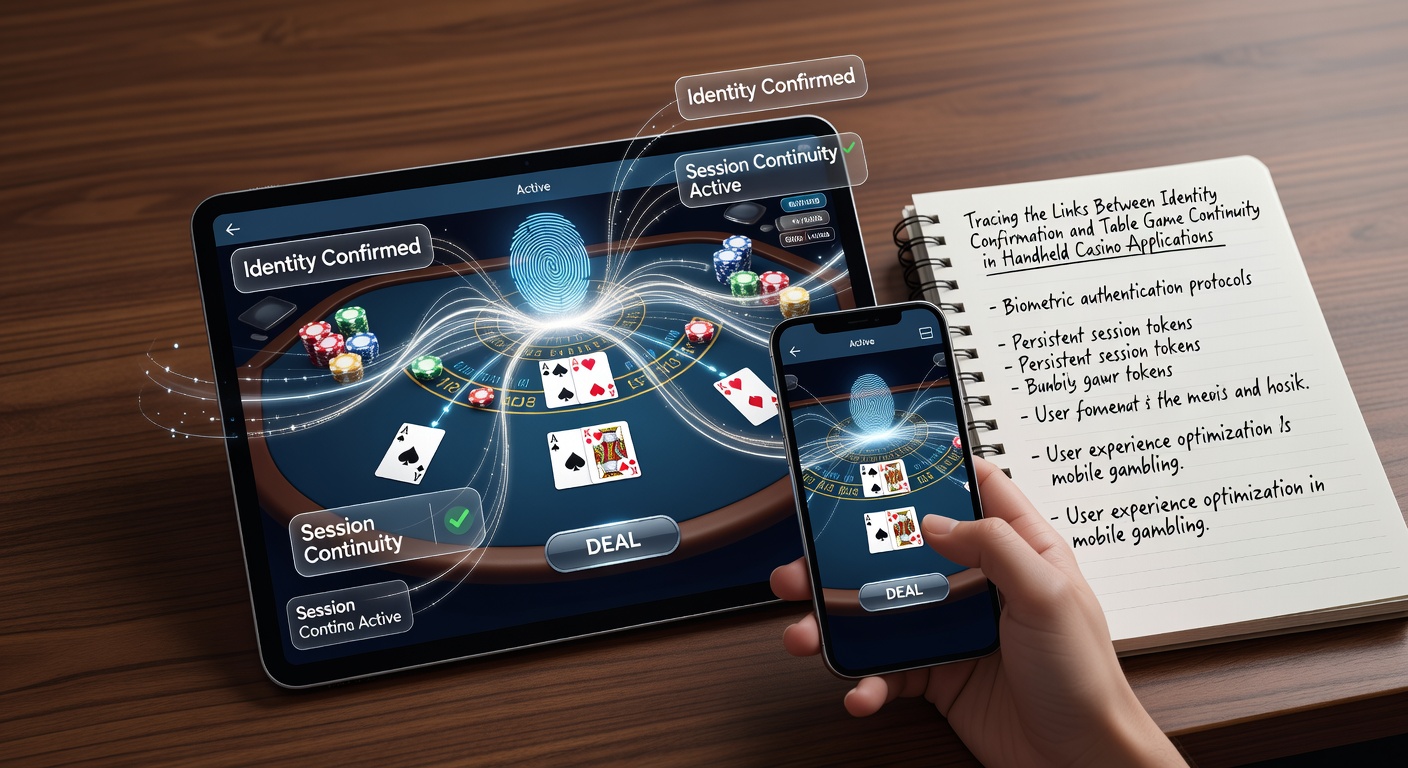
Handheld casino applications rely on identity confirmation processes that integrate directly with session management systems to preserve table game continuity across mobile platforms, and developers design these layers so verification checks occur without forcing players to exit active rounds in games such as roulette or poker. Data from industry reports indicates that authentication protocols exchange encrypted tokens with backend servers at login and during periodic rechecks, which allows game states to remain synchronized even when network conditions fluctuate on smartphones or tablets.
Core Components of Identity Confirmation in Mobile Environments
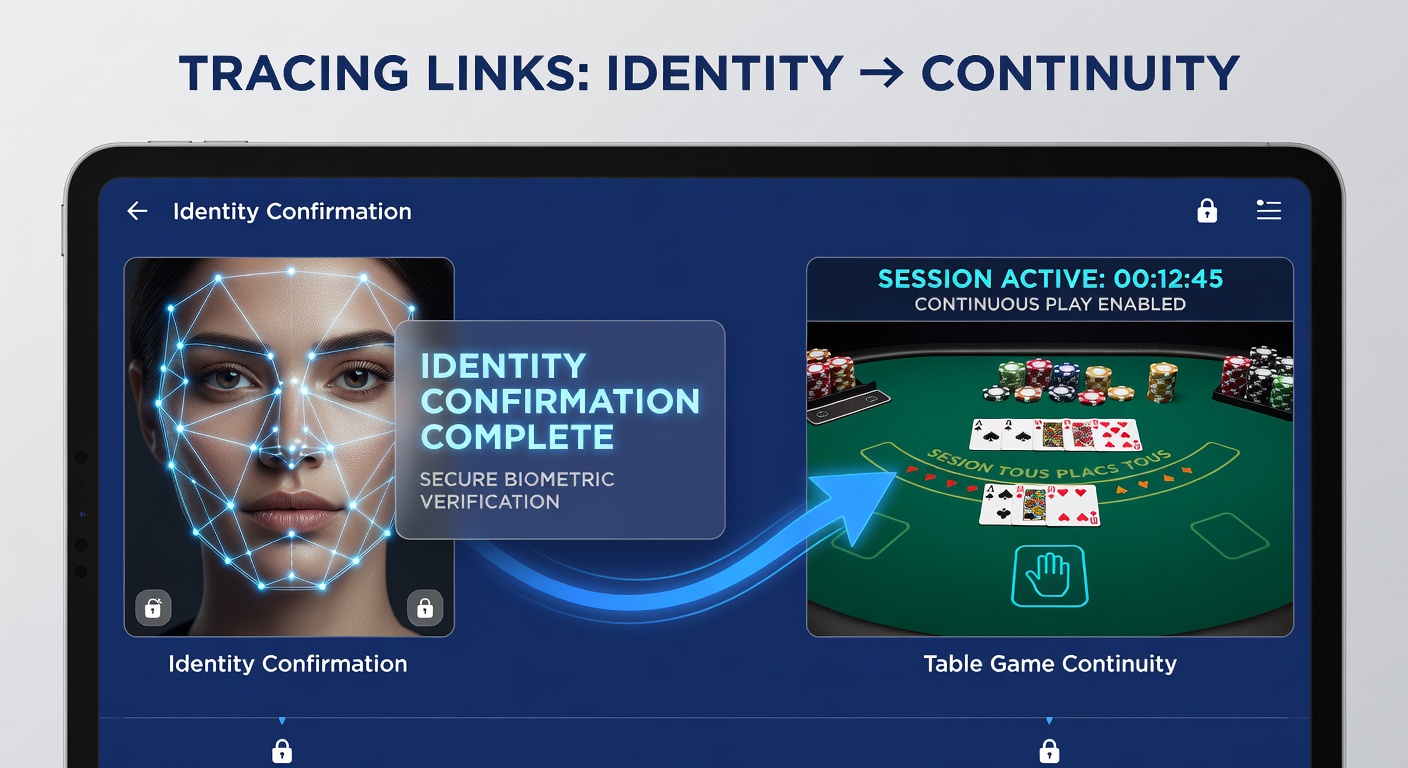
Identity confirmation begins with document uploads and biometric matching that operators complete through secure APIs, yet these steps connect to game servers via persistent session identifiers that track player progress in real time. Researchers at various technology institutes have documented how multi-factor authentication combines facial recognition with device fingerprinting, and this combination reduces teh risk of session drops during extended table sessions because the system validates the user profile without resetting the virtual table environment. Regulatory frameworks in regions such as Ontario and New Jersey require these checks at account creation and at intervals determined by transaction volume, which means operators program their applications to perform background verifications while the game interface stays active.
Mechanisms That Preserve Table Game Continuity
Table game continuity depends on state-saving functions that store hand histories, chip counts, and betting positions on remote servers, and identity confirmation layers feed into these functions by confirming the same authenticated profile owns the session data. When a player switches between Wi-Fi and cellular networks or pauses to handle an incoming call, the application uses cached tokens to resume play at the exact point of interruption provided the verification status remains valid. Observers note that cloud-based game engines handle reconnection requests by matching the incoming device signature against previously confirmed identity records, which prevents duplicate logins and maintains fairness across all participants at the virtual table.
Studies conducted by academic groups focusing on mobile security show that seamless handoffs occur because verification data travels through the same encrypted channels as gameplay packets, and this unified pipeline avoids the latency spikes that would otherwise interrupt dealer interactions or betting timers. Operators implement heartbeat signals every few seconds to monitor both connection quality and identity validity, so any mismatch triggers a brief re-authentication prompt that appears as an overlay rather than a full screen reload.
Integration Patterns Across Major Platforms
Leading handheld applications structure their code so identity modules sit alongside game engines rather than in separate silos, and this architecture enables instant cross-checks whenever a player places a bet or requests a card draw. According to documentation released by iGaming Ontario, platforms must log every verification event alongside game actions to support audit trails, yet the logging occurs asynchronously so it does not pause the table flow. Developers achieve this by queuing verification metadata in background threads that operate independently of the main rendering loop for card animations or wheel spins.
European operators following standards from the Malta Gaming Authority apply similar patterns while adapting to regional data-protection rules, and the result appears in applications that let users resume blackjack hands after brief verification refreshes without losing their seat or accumulated winnings. Case examples from platform audits reveal that successful integrations reduce average session abandonment rates during verification events, because the system presents minimal friction once the initial identity profile has been established.
Technical Challenges and Observed Solutions
Network instability on mobile devices creates the primary obstacle to continuity, while identity confirmation adds another variable that can compound delays if servers require additional document review. Solutions that have emerged include progressive verification tiers where low-risk actions proceed under cached credentials and higher-stakes bets trigger incremental checks that run in parallel with ongoing rounds. Industry analyses indicate that token-based systems refresh automatically when the application detects a stable connection again, which keeps table positions intact across time zones and device restarts.
Those who have examined code repositories for popular casino applications find extensive use of WebSocket connections that carry both verification status updates and real-time game events, and this dual-purpose channel eliminates the need for separate polling routines that would otherwise drain battery life or introduce jitter. Hardware-level security features such as secure enclaves on modern smartphones further strengthen these links by storing identity keys locally, allowing rapid confirmation without repeated server round-trips.
Regulatory Influences on Implementation Timelines
Updates scheduled for May 2026 in several jurisdictions will require enhanced biometric standards for all mobile table games, and operators have already begun adjusting their identity confirmation flows to accommodate the new specifications without disrupting existing session continuity measures. Compliance teams coordinate with software vendors to test these changes in staging environments that simulate thousands of concurrent handheld connections, ensuring that table games remain stable once the regulations take effect.
Conclusion
The connection between identity confirmation and table game continuity in handheld casino applications rests on tightly coupled authentication and session-management systems that exchange data through encrypted, persistent channels. Evidence from regulatory filings and technical audits demonstrates that well-designed integrations allow players to maintain active positions at virtual tables even while verification processes run in the background. Continued refinement of these links will shape how mobile platforms balance security requirements with uninterrupted gameplay across evolving device ecosystems.