Mapping Encryption Pathways That Align Bonus Triggers with Verified Mobile Transfers
Written by Ellis Schmidt · Jun 6, 2026
Mapping Encryption Pathways That Align Bonus Triggers with Verified Mobile Transfers
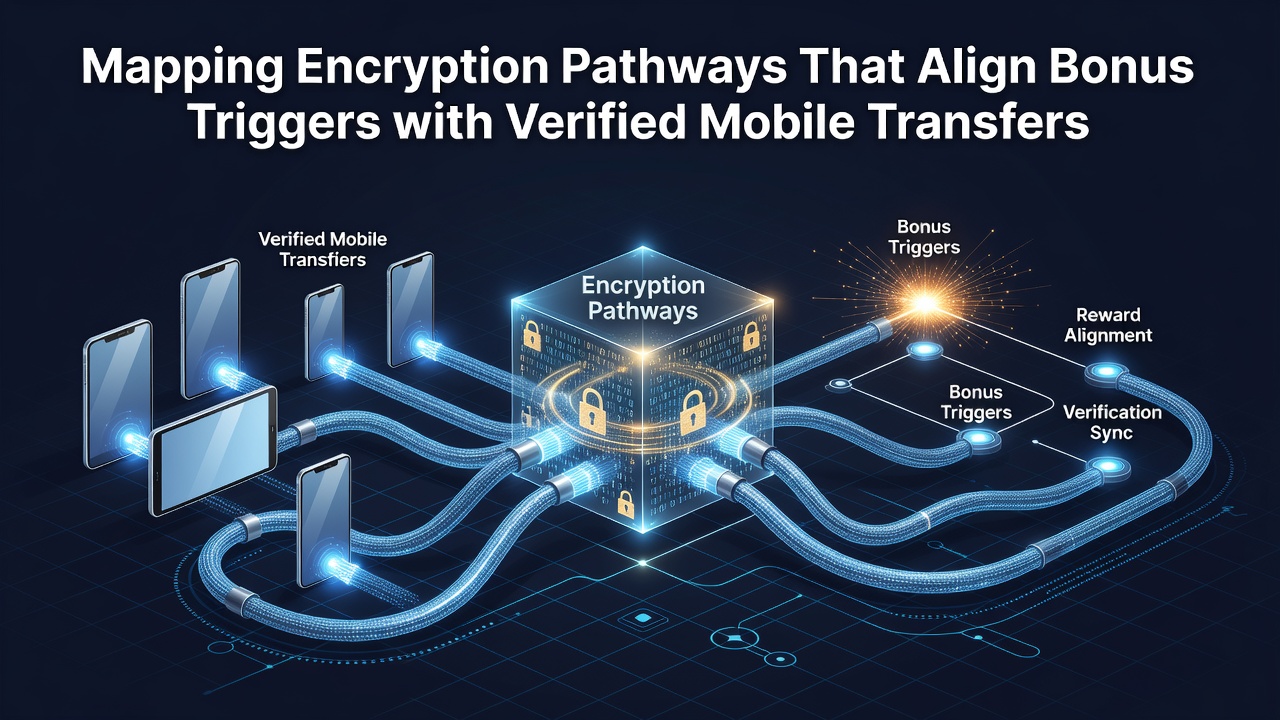
Developers map encryption pathways to connect bonus activation sequences directly with verified mobile transfer systems in casino platforms, and this process relies on layered cryptographic protocols that secure data flows while confirming player eligibility for promotional rewards. Systems process transfers through end-to-end encryption standards such as AES-256 combined with TLS 1.3 handshakes, which ensures transaction details remain protected during transit across mobile networks.
Core Components of Pathway Mapping
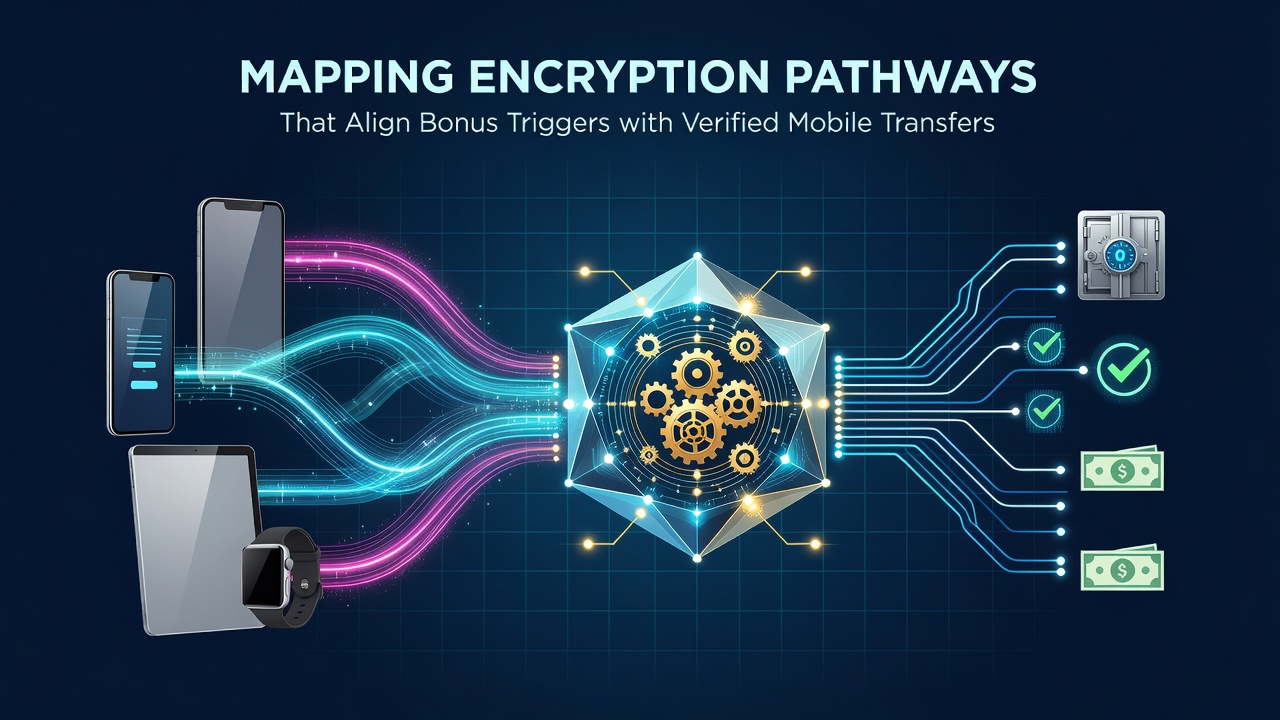
Encryption pathways begin at the point of player authentication within a mobile app, where device identifiers and biometric data undergo hashing before any bonus trigger activates. Verified mobile transfers then follow predefined routes that incorporate real-time validation checks against regulatory databases, and these checks confirm both the legitimacy of funds and the completion of required wagering conditions. Software engineers integrate application programming interfaces that synchronize these elements so bonus credits appear only after transfer confirmation reaches the server.
Observers note that alignment mechanisms often employ tokenization techniques to replace sensitive account information with unique identifiers that expire after single use. This approach reduces exposure during mobile sessions, while conjunction with multi-factor verification layers maintains compliance across jurisdictions. Data indicates that platforms adopting such synchronized systems report fewer discrepancies in bonus distribution logs as of mid-2026.
Technical Synchronization Processes
Mapping involves plotting data routes from the mobile device's secure enclave through cloud-based verification nodes and onward to the casino's bonus engine. Each node applies progressive encryption that rotates keys at intervals measured in milliseconds, and this rotation prevents replay attacks that could otherwise duplicate bonus triggers. Researchers at institutions studying digital security have documented how these dynamic key exchanges integrate with blockchain timestamps to create immutable records of every verified transfer.
Platforms incorporate geolocation services alongside encryption to restrict bonus eligibility to approved regions, and the process cross-references transfer origins with player profiles stored in encrypted vaults. In June 2026 several operators updated their pathway architectures to include quantum-resistant algorithms in anticipation of emerging computational threats, which extended verification times by fractions of a second yet preserved seamless user experiences.
Regulatory Alignment and Industry Standards
Compliance frameworks require that encryption pathways undergo independent audits before deployment, and authorities such as the Alcohol and Gaming Commission of Ontario review these mappings for adherence to data protection mandates. Testing protocols simulate transfer failures and bonus misalignments to verify that fallback procedures do not compromise security. Industry reports from organizations including the European Gaming and Betting Association highlight how standardized mapping reduces audit preparation time for operators.
Case examples show developers using simulation environments to trace entire pathways before live rollout, and one documented instance involved a European platform that adjusted its bonus trigger logic after pathway analysis revealed a 0.3-second lag between transfer verification and credit issuance. Adjustments incorporated parallel processing threads that resolved the delay without altering encryption strength.
Future Developments in Pathway Architecture
Advancements continue with the integration of artificial intelligence models that predict potential misalignment points based on network latency patterns, and these models adjust encryption priorities dynamically during peak usage periods. Academic studies from research groups at the University of Nevada, Las Vegas have examined how such predictive elements interact with verified mobile transfers to maintain consistent bonus delivery across varying device types.
Stakeholders examine logs generated by these systems to refine pathway efficiency, while maintaining the separation between promotional mechanics and core financial processing. This separation ensures that bonus triggers remain isolated from direct fund movements even as encryption layers overlap for verification purposes.
Conclusion
Mapping encryption pathways that align bonus triggers with verified mobile transfers represents a convergence of cryptographic methods, regulatory requirements, and software engineering practices that continue to evolve through 2026. Platforms that implement these mappings achieve measurable consistency in transaction handling and promotional accuracy, supported by ongoing audits and technological refinements from multiple global sources.