Merging Verification Processes with Interactive Dealer Experiences and Transaction Security in Handheld Casino Software
Written by Harper Koch · Jun 3, 2026
Merging Verification Processes with Interactive Dealer Experiences and Transaction Security in Handheld Casino Software
Portable casino tools have evolved to handle simultaneous demands for player authentication, real-time dealer engagement, and secure fund movements through unified system architectures, and developers continue to refine these connections as mobile usage expands across regulated markets. Systems now route identity checks directly into live streaming environments so that verification steps occur without pausing table interactions or requiring separate application switches.
Core Components of Safety Integration
Verification layers in these platforms rely on encrypted data exchanges that pull from government databases and third-party services while players remain connected to dealer video feeds, and this setup allows continuous monitoring of session compliance. Data from industry reports shows that multi-factor authentication protocols activate at key moments such as initial login, deposit attempts, and withdrawal requests, all while live dealer streams maintain uninterrupted flow through adaptive bandwidth management. Observers note that portable tools often embed biometric options like facial recognition alongside traditional document uploads to speed up the process during active gameplay.
Dealer Interaction Synchronization
Live dealer modules in mobile applications communicate with backend verification servers through application programming interfaces that flag any pending checks without disrupting the visual or audio connection to the dealer, and this synchronization keeps table dynamics intact. Researchers have documented cases where players complete identity confirmations mid-hand because the system overlays minimal interface elements on the stream rather than redirecting to external screens. Those who have examined platform logs indicate that timing algorithms prioritize low-latency responses so that dealer interactions feel responsive even when security protocols run in parallel.
Fund Access Mechanisms
Payment gateways within portable casino tools connect to the same verification pipeline used for dealer sessions, which means approved players gain deposit and withdrawal capabilities once safety checks clear, and encrypted channels handle transaction data separately from game streams to reduce exposure. Figures reveal that many systems now support instant funding options tied to pre-verified accounts, allowing seamless transfers during ongoing play without forcing users to exit the live environment. What's interesting is how these tools manage risk thresholds dynamically, adjusting access levels based on transaction history and real-time compliance scores pulled from integrated databases.
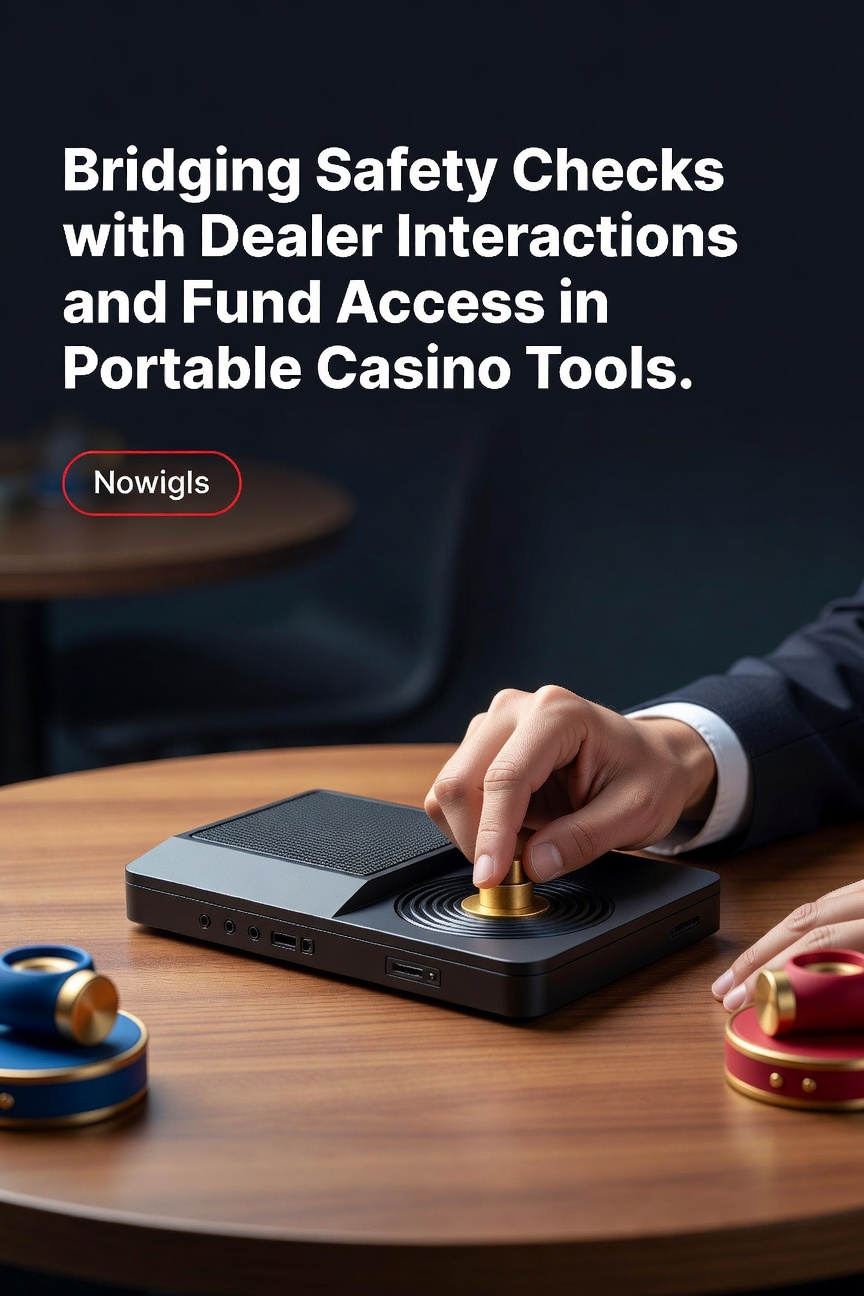
Industry organizations such as the Gaming Standards Association have outlined technical specifications that guide these linkages, and developers follow them to ensure consistent performance across devices. In June 2026 several jurisdictions updated their mobile platform requirements to mandate tighter integration between verification status and fund release timing, which prompted software providers to adjust their architectures accordingly.
Technical Bridging Approaches
Engineers achieve the bridge between safety checks, dealer streams, and fund access by deploying modular software layers that share a common authentication token across all functions, and this token updates in real time as new data arrives from regulatory feeds or player actions. Portable tools frequently employ cloud-based orchestration services that route requests through secure pathways while preserving the low-latency demands of live video, and case studies from platform audits demonstrate reduced error rates when these layers operate in concert rather than as isolated modules. People who've analyzed transaction records find that withdrawal approvals accelerate once verification completes inside the active dealer session because the system already holds current compliance data.
Regulatory Context and Platform Adaptations
Regulatory bodies in regions like New Jersey and certain Australian states have issued guidelines that encourage such integrated designs, and operators respond by embedding compliance checkpoints directly into the user flow of their mobile applications. Evidence suggests that platforms using these bridged systems report fewer session interruptions compared with older segmented approaches, although exact percentages vary by operator and market. The New Jersey Division of Gaming Enforcement provides public resources on technical standards that influence how fund access ties to ongoing verification during live play.
Conclusion
Portable casino tools continue to refine the connections among safety checks, dealer interactions, and fund access through shared data pathways and real-time protocols that keep all elements functioning together. As updates from June 2026 and subsequent periods take effect, these integrations are expected to incorporate additional layers of automation while maintaining compliance across different jurisdictions. The overall architecture supports smoother player experiences by reducing friction between verification requirements and active gameplay elements.