Player Verification Mechanisms Driving Efficiency in Mobile Casino Live Sessions and Payment Processes
Written by Harper Koch · Aug 5, 2026
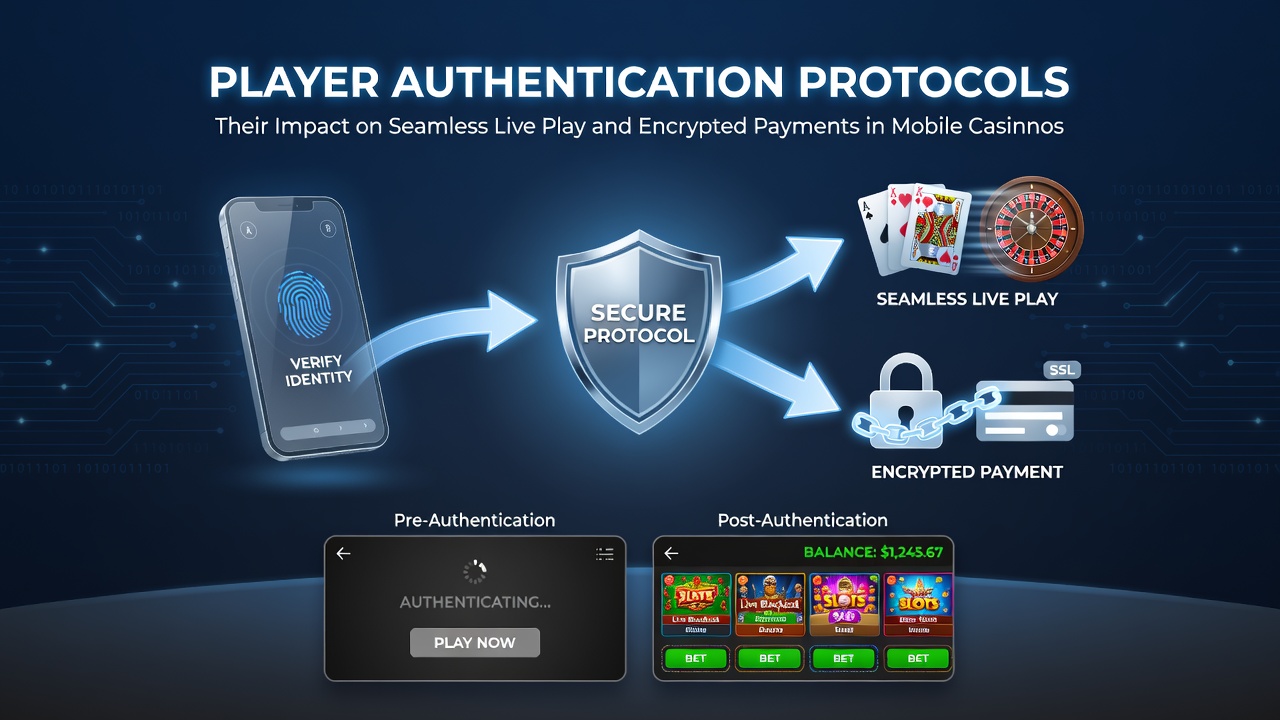
Player Verification Mechanisms Driving Efficiency in Mobile Casino Live Sessions and Payment Processes
Player authentication protocols form the backbone of secure access in mobile casino environments, where biometric scans and multi-factor checks integrate directly with live dealer streams and transaction gateways. These systems verify identity through facial recognition, fingerprint data, and device-bound tokens while maintaining continuous session access during real-time table games. Research from industry reports indicates that such layered verification reduces unauthorized entry attempts by aligning user data with regulatory databases in seconds rather than minutes.
Core Components of Modern Authentication Layers
Authentication begins with initial account setup that collects government-issued identification and links it to mobile device hardware, yet protocols extend beyond login to monitor ongoing play. Experts have observed that token-based systems refresh credentials every few minutes without interrupting video feeds from live tables, allowing players to switch between blackjack and roulette while encryption keys update in the background. Data shows these methods cut fraud incidents by coordinating with payment processors that require the same verified profile for deposits and withdrawals.
Biometric matching now pairs with behavioral analytics that track swipe patterns and session timing, creating profiles that flag anomalies before they affect game flow. In August 2026 several platforms reported smoother integration after updating these analytics engines, resulting in fewer session drops during peak hours. Observers note that the process keeps live dealer interactions fluid because verification servers sit close to streaming infrastructure rather than routing through separate check points.
Effects on Live Dealer Continuity
Seamless live play depends on authentication that operates invisibly once the initial handshake completes, so protocols embed identity tokens into the video stream metadata itself. This approach prevents mid-game re-authentication prompts that once broke immersion during high-stakes hands. Studies found that platforms using unified session tokens saw average play duration increase because players remained connected across multiple tables without re-entering credentials.
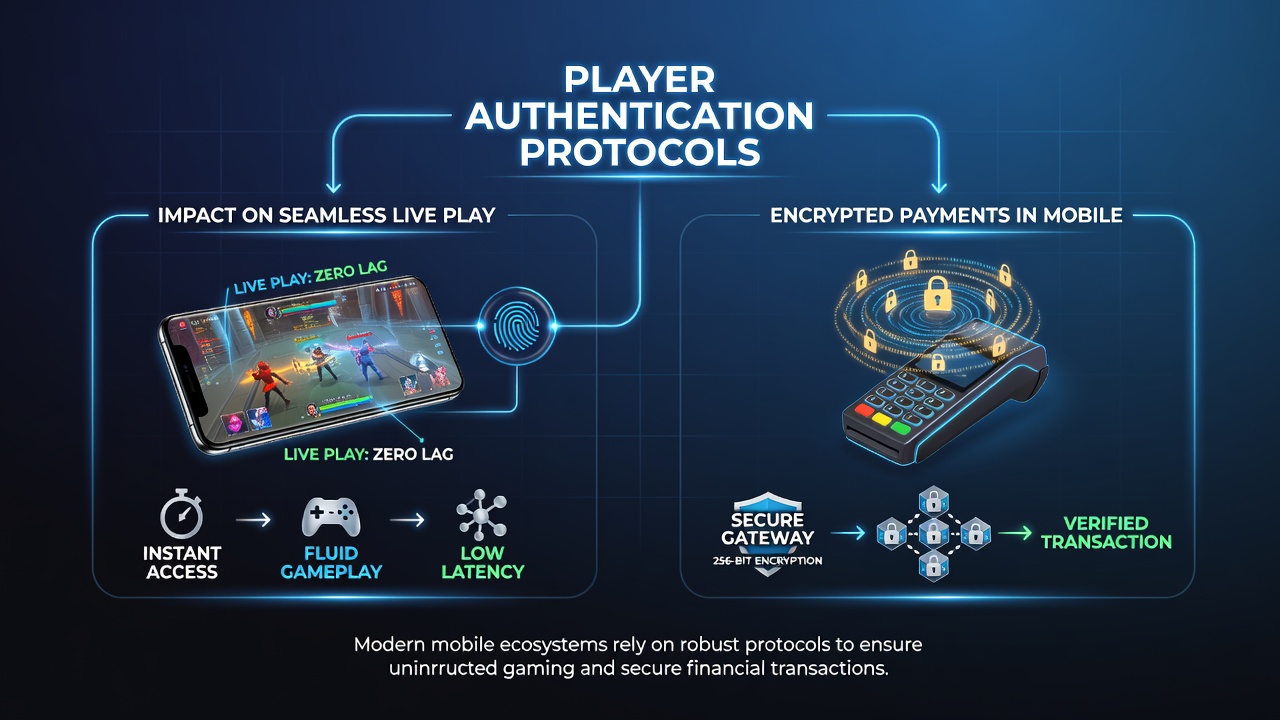
Encrypted channels carry both the dealer video and the authentication heartbeat, ensuring that any payment action triggered by a bonus round pulls from the same verified identity. Those who've examined mobile casino logs report that latency stays under 200 milliseconds when authentication and streaming share the same secure pathway. And because the system cross-checks device location with regulatory zones, live sessions stay compliant without pausing for separate approvals.
Encryption Standards Supporting Verified Transfers
Payment encryption runs alongside authentication through end-to-end protocols that wrap transaction data in rotating keys tied to the player's verified profile. Regulatory filings from the Malta Gaming Authority reveal that these combined layers allow instant withdrawal approvals once the live session ends, because identity confirmation already occurred during play. The ball's in the platform's court to keep keys synchronized so that bonus triggers activate encrypted transfers without exposing account details.
Hardware security modules store the encryption keys on the device side, preventing server-side breaches from exposing live player data. Research indicates that this distributed approach has lowered successful interception rates across mobile networks, particularly when players move between Wi-Fi and cellular connections mid-session. What's interesting is how the same authentication token used for live table access also authorizes payment gateways, eliminating duplicate verification steps that previously delayed cashouts.
Integration Patterns Across Platforms
Software developers align authentication with streaming and payment modules through shared APIs that pass verified status flags in real time. One case involved a regional operator that synchronized its live dealer software with a European banking partner's encrypted rails, cutting average transaction time by half while preserving regulatory audit trails. Figures from trade group reports show similar patterns emerging in North American markets where device attestation checks now run continuously during play.
Because authentication protocols sit at the center, they coordinate bonus eligibility with payment verification so that promotional credits appear only after identity and funding sources match. This coordination prevents mismatched accounts from accessing live games or initiating transfers. Observers note that the writing's on the wall for older single-factor systems as newer mobile frameworks demand multi-layered checks that still feel invisible to the user.
Conclusion
Player authentication protocols continue to evolve as the central link between uninterrupted live dealer experiences and encrypted payment flows in mobile casinos. Their design ensures that identity verification supports rather than hinders real-time table play and secure transactions. As platforms refine these systems, the focus remains on maintaining regulatory compliance while delivering consistent access across devices and networks.