Protocol Architectures for Stream Synchronization and Verified Bonus Distribution in Mobile Gaming Environments
Written by Harper Koch · Aug 19, 2026
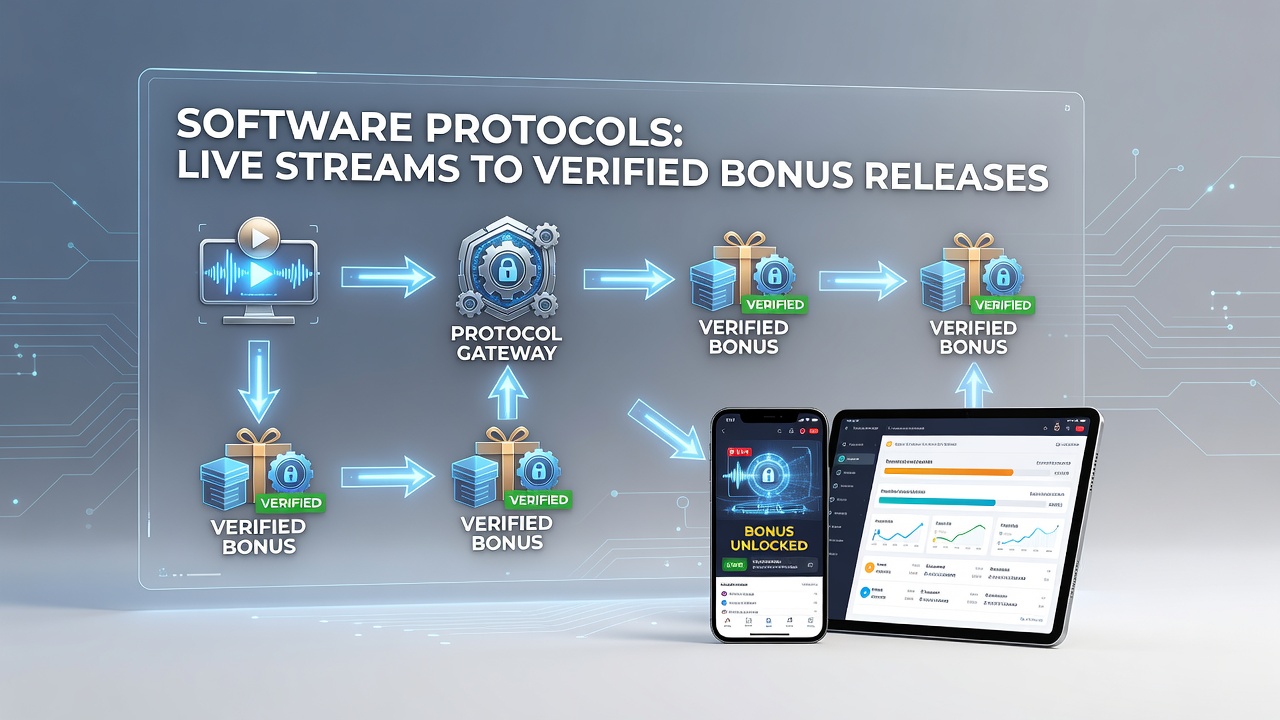
Protocol Architectures for Stream Synchronization and Verified Bonus Distribution in Mobile Gaming Environments
Software protocols that connect live video feeds to verified bonus releases operate through layered architectures designed for portable devices, where real-time data exchange ensures that stream events trigger authenticated reward mechanisms without delays or discrepancies. These systems rely on synchronized APIs that monitor dealer actions in live sessions, then route signals through verification servers before any bonus credits activate on user accounts.
Core Components of Stream-to-Bonus Linkage
Engineers build these protocols around timestamped event markers embedded within video streams, which software on handheld devices detects and forwards to central processing units for cross-checking against player eligibility databases. Data indicates that such markers include cryptographic hashes that confirm the authenticity of each stream segment, while conjunctions like session tokens prevent unauthorized access during the transfer process. Researchers at institutions focused on digital systems have documented how these markers align with mobile operating system constraints, including battery optimization routines that pause non-essential processes until a verified trigger arrives.
Portable device applications incorporate middleware layers that handle packet loss common in wireless networks, reconstructing stream data on the fly so that bonus release conditions remain intact even during brief connectivity interruptions. Studies from academic sources show that this reconstruction uses forward error correction algorithms, allowing the protocol to maintain continuity across fluctuating signal strengths typical in mobile environments as of August 2026.
Verification Mechanisms and Security Integration
Verification occurs at multiple points along the pathway, beginning with device-level authentication that confirms user identity through biometrics or token exchanges before any stream data processes further. Once authenticated, the protocol channels live feed metadata into encrypted channels that interface directly with bonus management servers, where eligibility rules execute automatically. Observers note that this sequence reduces latency by executing checks in parallel rather than sequentially, a design choice documented in technical reports on gaming software efficiency.
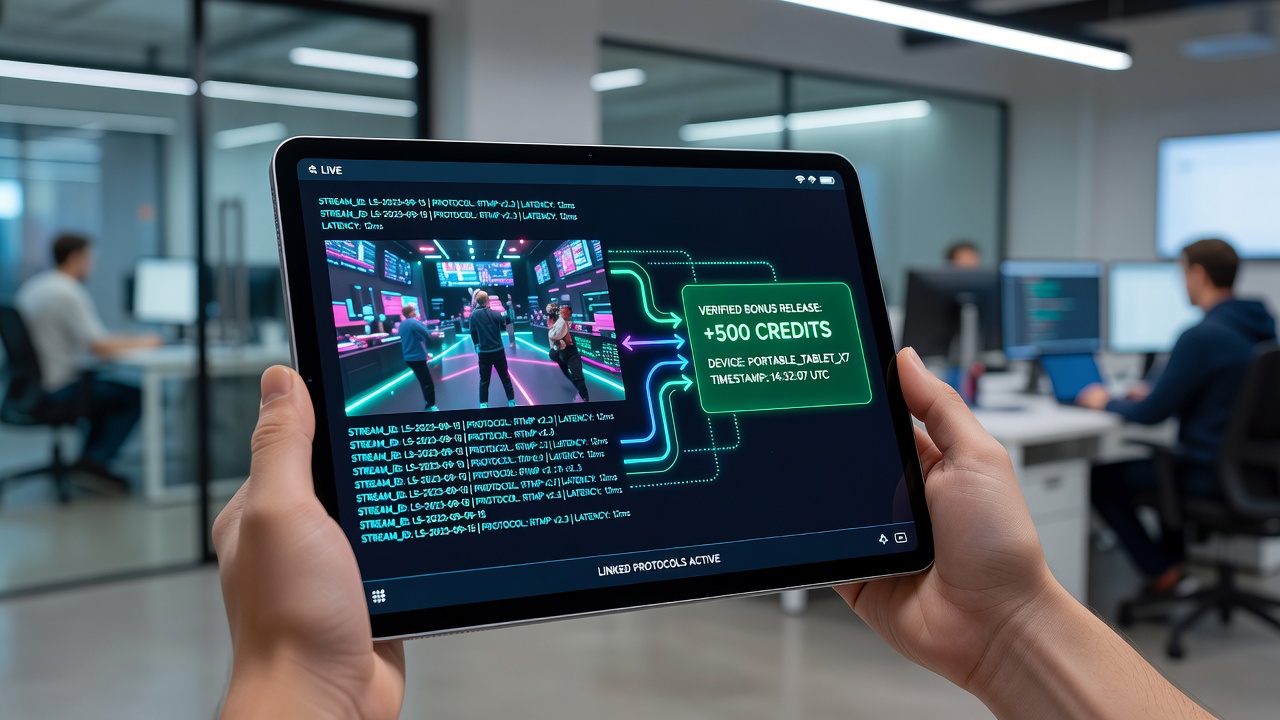
Encryption standards applied here draw from established frameworks that protect both the video payload and the bonus activation commands, ensuring that intercepted data yields no usable information. Figures from industry analyses reveal that adoption of these standards has coincided with broader deployment of 5G networks, which supply the bandwidth necessary for simultaneous stream delivery and transaction verification on portable hardware.
Implementation Across Regulatory Landscapes
Regulatory bodies in various regions require compliance testing for these protocols before deployment, with agencies such as the Alcohol and Gaming Commission of Ontario specifying audit trails that log every stream event tied to a bonus release. Similar requirements appear in guidelines issued by Australian authorities overseeing digital entertainment platforms, where protocols must demonstrate resistance to manipulation attempts during live sessions. Those who've examined compliance records find that successful implementations often incorporate redundant verification nodes distributed across cloud infrastructure to handle peak usage periods.
Software updates in August 2026 have incorporated refinements to these nodes, allowing faster reconciliation between stream timestamps and bonus ledgers on devices running diverse operating systems. Case examples from development teams illustrate how one protocol iteration addressed edge cases involving rapid channel switching, where users moved between multiple live tables without losing bonus eligibility status.
Data Flow and Performance Metrics
Performance data collected from deployed systems shows average synchronization times under 200 milliseconds for bonus triggers following stream events, achieved through optimized queuing mechanisms that prioritize verification packets over standard video traffic. Engineers achieve these metrics by employing adaptive bitrate streaming alongside protocol-level acknowledgments that confirm receipt at each stage of the linkage chain.
Integration with payment processors follows similar patterns, routing verified bonus amounts through the same encrypted pathways used for stream authentication. Reports compiled by research groups tracking gaming technology trends indicate consistent improvements in these areas as hardware capabilities on portable devices advance.
Conclusion
Protocols that link live streams to verified bonus releases continue to evolve with advancements in mobile connectivity and security standards, supporting reliable operation across global gaming platforms. Data from regulatory and academic sources confirms that these systems maintain integrity through layered verification while adapting to the demands of portable device usage patterns.