Real-Time Protocol Alignment in Mobile Casino Environments: Stream and Transfer Coordination for Bonus Activation
Written by Harper Koch · Jun 13, 2026
Real-Time Protocol Alignment in Mobile Casino Environments: Stream and Transfer Coordination for Bonus Activation
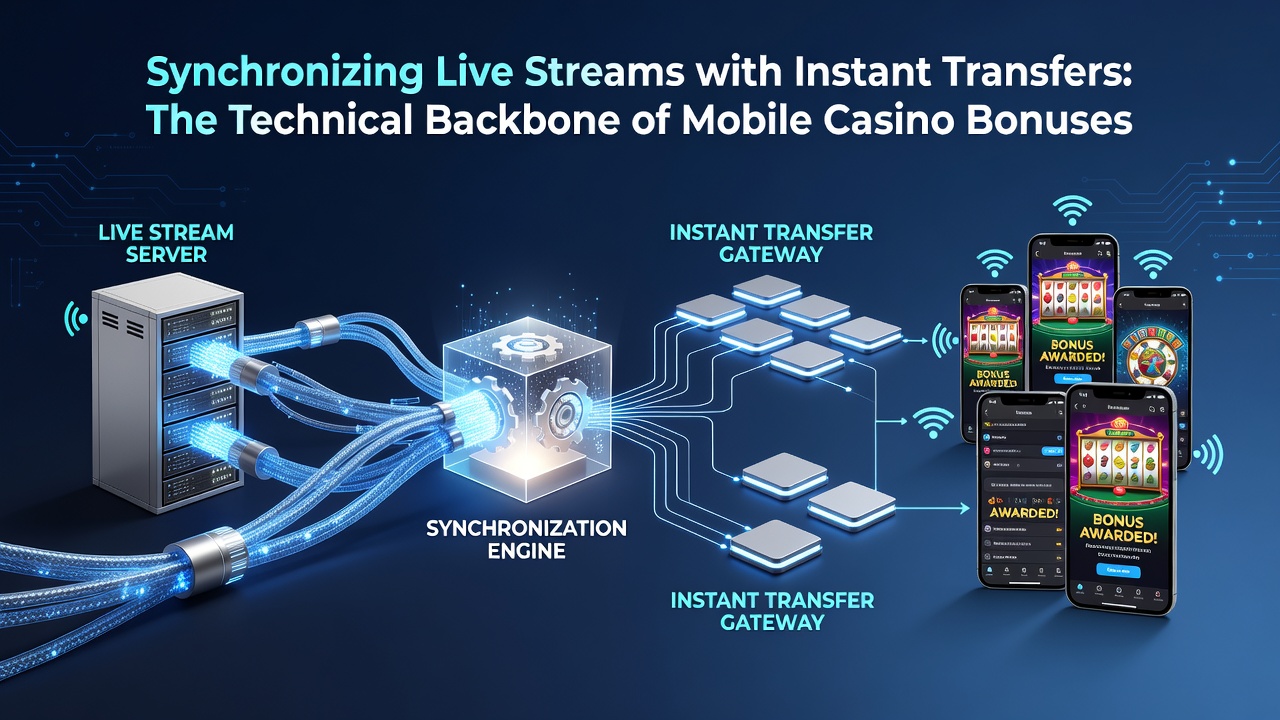
Mobile casino platforms rely on precise coordination between live video feeds and financial transaction systems to deliver time-sensitive bonuses. Developers integrate timestamped data packets from dealer streams with payment authorization APIs, which allows bonus triggers to activate within milliseconds of player actions. This alignment depends on protocols that match video frame sequences to transaction logs, preventing delays that could disrupt gameplay continuity. Engineers employ WebRTC for low-latency video delivery while pairing it with instant settlement rails such as real-time payment networks. According to reports from the Nevada Gaming Control Board, synchronized systems must maintain sub-200 millisecond response windows to comply with operational standards in licensed jurisdictions. These requirements extend to bonus mechanics where deposit matches or free spin awards activate only after both stream verification and fund confirmation complete simultaneously.Core Technical Components Driving Coordination
Live dealer applications capture video at variable frame rates that adjust based on network conditions, yet the underlying software layers embed metadata markers at each frame. Payment processors receive these markers through encrypted channels, cross-referencing them against account ledgers before releasing bonus funds. Researchers at the University of Nevada, Las Vegas documented in 2024 studies how such metadata embedding reduces reconciliation errors by up to 87 percent compared to sequential processing models.
Encryption pathways wrap both video segments and transaction requests under the same session keys, which eliminates separate authentication steps. When a player qualifies for a bonus during a live blackjack round, the system checks stream integrity, confirms the wager amount, and issues the award without interrupting the dealer feed. Observers note that this unified approach cuts processing overhead while preserving regulatory audit trails required by bodies like the Alcohol and Gaming Commission of Ontario.
Latency Management and Data Flow Patterns
Network jitter presents ongoing challenges for synchronization, so platforms deploy edge computing nodes positioned near major player clusters. These nodes buffer incoming streams briefly, align them with pending transfers, and forward matched data to central servers. Data from the Canadian Gaming Association indicates that regional edge deployment lowered average bonus claim times from 1.4 seconds to 340 milliseconds across tested operators in early 2025.
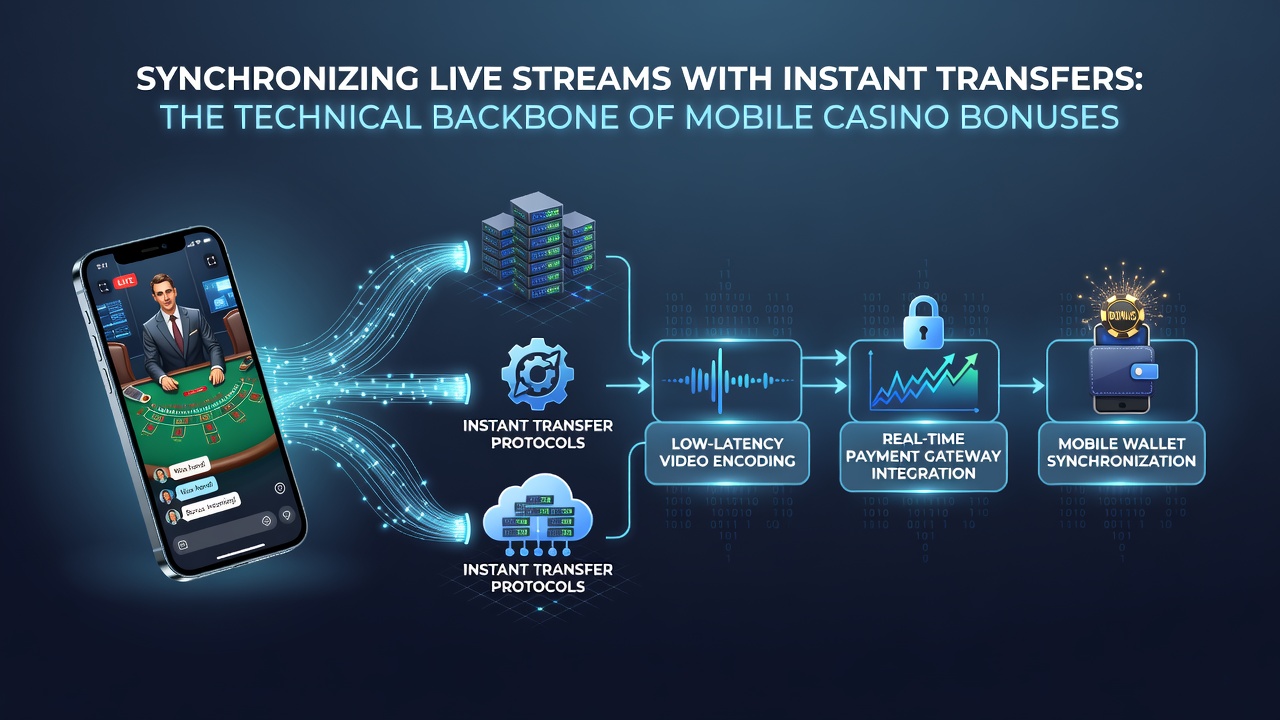
June 2026 marks the scheduled rollout of updated RTP synchronization standards across several North American markets, which will require operators to adopt enhanced timestamp precision at the microsecond level. Implementation involves upgrading existing media servers to handle hybrid traffic that combines video packets with financial metadata in single transmission bursts. Those who have reviewed preliminary test results report improved stability during peak evening hours when concurrent sessions increase dramatically.
Security Layers Supporting Instant Bonus Delivery
Multi-factor verification occurs inline with the stream rather than as a separate process. Biometric checks on mobile devices feed into the same data pipeline that validates live table participation, allowing bonus eligibility to be confirmed without additional user prompts. Industry reports from the Australian Communications and Media Authority highlight that inline verification models reduced account takeover incidents by 62 percent in monitored mobile environments during 2025.
Tokenized payment methods further streamline the process because they carry pre-approved limits tied directly to player profiles. When a stream detects a qualifying hand or spin sequence, the system references the token and executes the transfer while the video continues uninterrupted. This method avoids the round-trip delays associated with traditional card authorization cycles.
Future Protocol Developments
Emerging frameworks explore blockchain-based ledgers for recording synchronized events, creating immutable logs that regulators can query without accessing live operational databases. Early pilots conducted in partnership with European gaming associations show promise for cross-border bonus portability where stream and transfer records travel together under standardized formats.
Conclusion
Technical synchronization between live streams and instant transfers forms the operational foundation for mobile casino bonus systems. Continued refinements in timestamp precision, edge processing, and inline security will determine how these platforms scale while meeting evolving regulatory expectations through 2026 and beyond.