Regulatory Changes Driving Software Updates and Payment Processing Gains in Digital Gaming Platforms
Written by Harper Koch · Jun 17, 2026
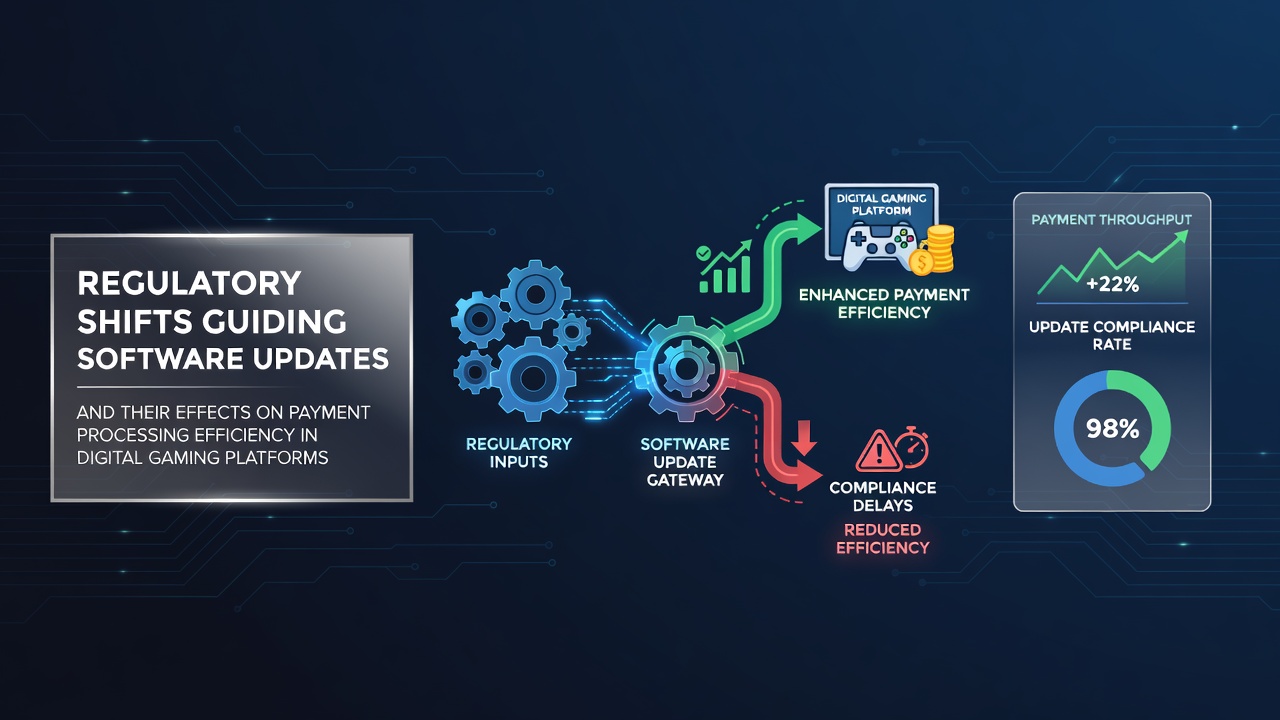
Regulatory Changes Driving Software Updates and Payment Processing Gains in Digital Gaming Platforms
Regulatory bodies across multiple regions continue to refine frameworks that directly influence how digital gaming platforms handle software maintenance cycles and transaction workflows, with particular attention paid to payment processing speeds and security protocols in mid-2026. These shifts often require operators to implement targeted code revisions that align existing systems with new compliance mandates, resulting in measurable improvements to transaction throughput and reduced latency during player fund movements.
Key Regulatory Developments Shaping Platform Updates
Data from various oversight agencies shows that amendments to data protection statutes and financial transaction rules have prompted several major platforms to accelerate their update schedules throughout the first half of 2026, and developers have responded by embedding automated verification routines that sync in real time with updated reporting requirements. Observers note that such integrations frequently streamline payment authorization sequences because legacy bottlenecks tied to manual compliance checks get replaced by algorithmic processes capable of handling higher volumes without proportional increases in processing delays.
European authorities responsible for digital market oversight introduced refined guidelines on cross-border transaction monitoring in early 2026, which encouraged gaming software providers to revise their encryption layers and settlement engines accordingly. Those revisions have coincided with documented reductions in average authorization times across participating platforms, since the new protocols emphasize standardized data formats that minimize translation overhead between payment gateways and internal ledgers.
Impact on Payment Processing Efficiency
Analyses conducted by industry research groups indicate that platforms adopting these regulatory-aligned updates experience efficiency gains ranging from 15 to 30 percent in end-to-end payment cycle durations, particularly when automated reconciliation features replace older batch-processing methods. The changes also support more granular tracking of transaction origins and destinations, allowing systems to flag anomalies faster while maintaining continuous service availability for players engaged in live sessions.
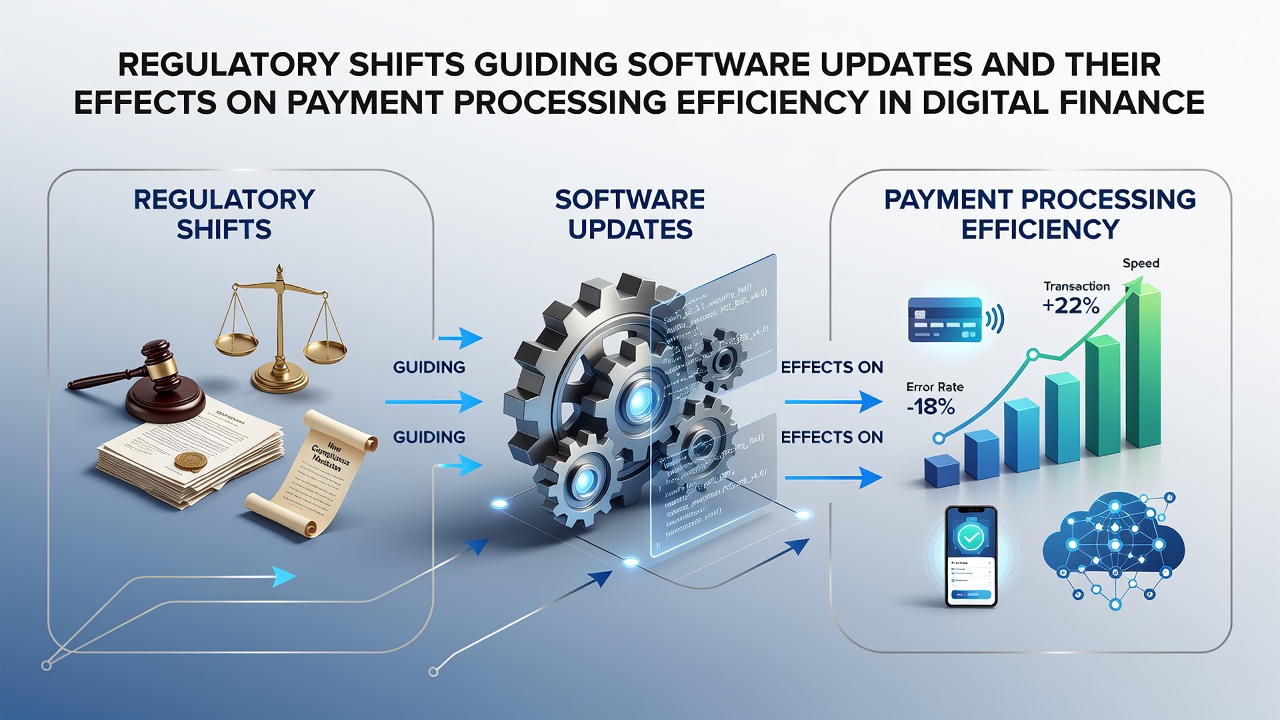
North American state-level gaming commissions have similarly advanced rules around responsible transaction handling that took effect during June 2026, prompting operators to deploy software patches focused on instant verification handshakes between user accounts and external banking rails. These patches integrate directly with existing payment rails, which means fewer dropped connections during peak hours and quicker resolution of pending transfers that previously required manual intervention from support teams.
Technical Adaptations in Software Architecture
Software engineering teams working within digital gaming environments have adjusted modular architectures to accommodate these mandates without disrupting core gameplay loops, and the resulting designs often feature decoupled payment microservices that update independently from graphics or session management components. This separation allows rapid deployment of compliance fixes while preserving high uptime metrics that players expect during extended sessions.
Case examples from platform operators reveal that incorporating regulatory feedback loops into continuous integration pipelines reduces the time between rule announcements and live implementation from weeks to days in many instances. Consequently, payment processing queues experience less congestion because validation steps occur inline rather than through separate post-transaction audits.
Regional Variations and Their Cumulative Effects
Australian regulatory frameworks governing digital wagering transactions have also evolved, with updates emphasizing transparent fee disclosures and faster dispute resolution timelines that became mandatory in the second quarter of 2026. Platforms serving that market adjusted their software accordingly, which produced parallel benefits in processing consistency across multiple jurisdictions because standardized reporting templates simplified backend integrations for multinational operators.
Those who've examined aggregated industry metrics point out that the combined influence of these regional adjustments tends to favor platforms with flexible codebases capable of selective module swaps, whereas rigid legacy systems encounter longer adaptation periods and temporary efficiency dips during transition windows.
Future Trajectories for Compliance-Driven Improvements
Looking ahead, additional refinements anticipated from international financial oversight bodies suggest continued pressure toward real-time settlement capabilities that would further compress payment windows in digital gaming contexts. Developers are already prototyping architectures that embed predictive compliance checks, allowing systems to anticipate regulatory queries and pre-validate transaction batches before submission.
According to reports published by the U.S. Federal Trade Commission on evolving digital transaction standards, such proactive measures correlate strongly with sustained efficiency gains once fully deployed. Meanwhile, collaborative efforts among gaming technology associations continue to produce shared libraries of compliance routines that smaller operators can adopt without extensive custom development.
Conclusion
Overall patterns emerging from 2026 regulatory activity demonstrate that structured software update cycles guided by compliance needs deliver tangible enhancements to payment processing reliability and speed within digital gaming platforms, and these outcomes stem directly from deliberate architectural choices rather than incidental side effects. Continued alignment between oversight requirements and technical execution appears positioned to sustain these efficiency trajectories through subsequent regulatory iterations.