Securing Mobile Live Casino Experiences Through Layered Encryption and Stream Integration
Written by Quinn Lehmann · Jun 10, 2026
Securing Mobile Live Casino Experiences Through Layered Encryption and Stream Integration
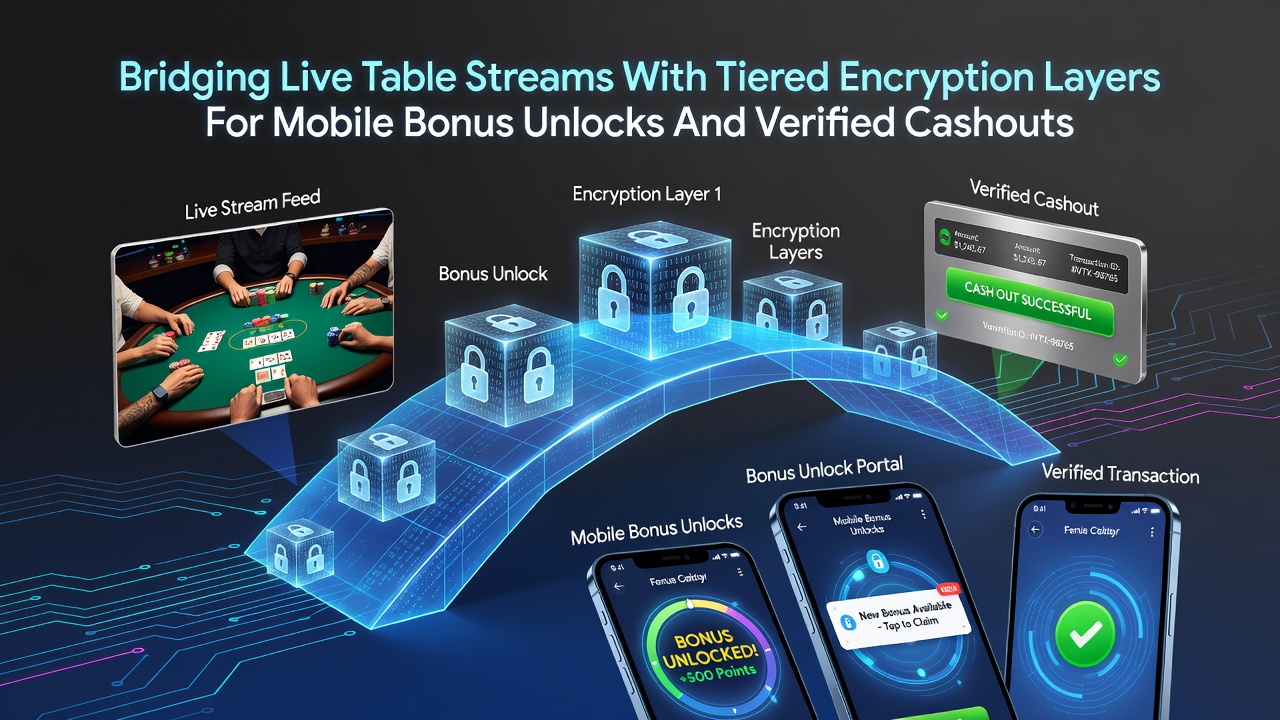
Live table streams in mobile casino platforms rely on synchronized video feeds that connect players to real-time dealer actions, and these systems now incorporate tiered encryption to protect data while enabling features like bonus unlocks and cashouts, according to technical reports from the gaming sector.
Live Table Stream Fundamentals in Mobile Environments
Operators transmit dealer interactions through high-definition video protocols that maintain low latency across mobile networks, and these streams operate on content delivery networks designed to handle variable bandwidth conditions without interruption. Research from industry engineering groups shows that synchronization between video frames and game state data occurs at millisecond intervals, which allows players to place bets in alignment with ongoing table action.
Platforms integrate these streams with backend servers that log every card shuffle and wheel spin, while mobile applications render the visuals through optimized codecs that reduce data usage. Observers note that such setups support thousands of concurrent sessions per table during peak hours, and developers continue to refine adaptive bitrate streaming to accommodate regional network differences.
Tiered Encryption Structures Protecting Data Flows
Encryption layers apply distinct security protocols at different stages of the data pipeline, beginning with transport layer security for initial connections and advancing to application-level ciphers for sensitive transaction details. Data indicates that multi-tier approaches segment player inputs from stream metadata, which reduces exposure risks during transmission between mobile devices and central servers.
Advanced implementations use key rotation schedules that update every few minutes, and this practice aligns with standards outlined by organizations such as the National Institute of Standards and Technology. Those who study these systems find that tiered models also isolate bonus eligibility flags from withdrawal verification modules, creating compartmentalized access points that limit potential breach impacts.
Enabling Mobile Bonus Unlocks via Integrated Systems
Bonus triggers activate when stream data confirms specific game outcomes, and encryption ensures that eligibility signals reach the player account without tampering. Figures from platform analytics reveal that such integrations allow instant crediting of rewards during live sessions, which keeps engagement continuous on handheld devices.
Developers map stream events to encrypted tokens that verify conditions like consecutive wins or participation milestones, and these tokens process through secure channels before updating user balances. One documented case from a North American operator demonstrated how this linkage prevented duplicate claims across multiple devices during a single table round.
Verified Cashout Protocols in Synchronized Environments
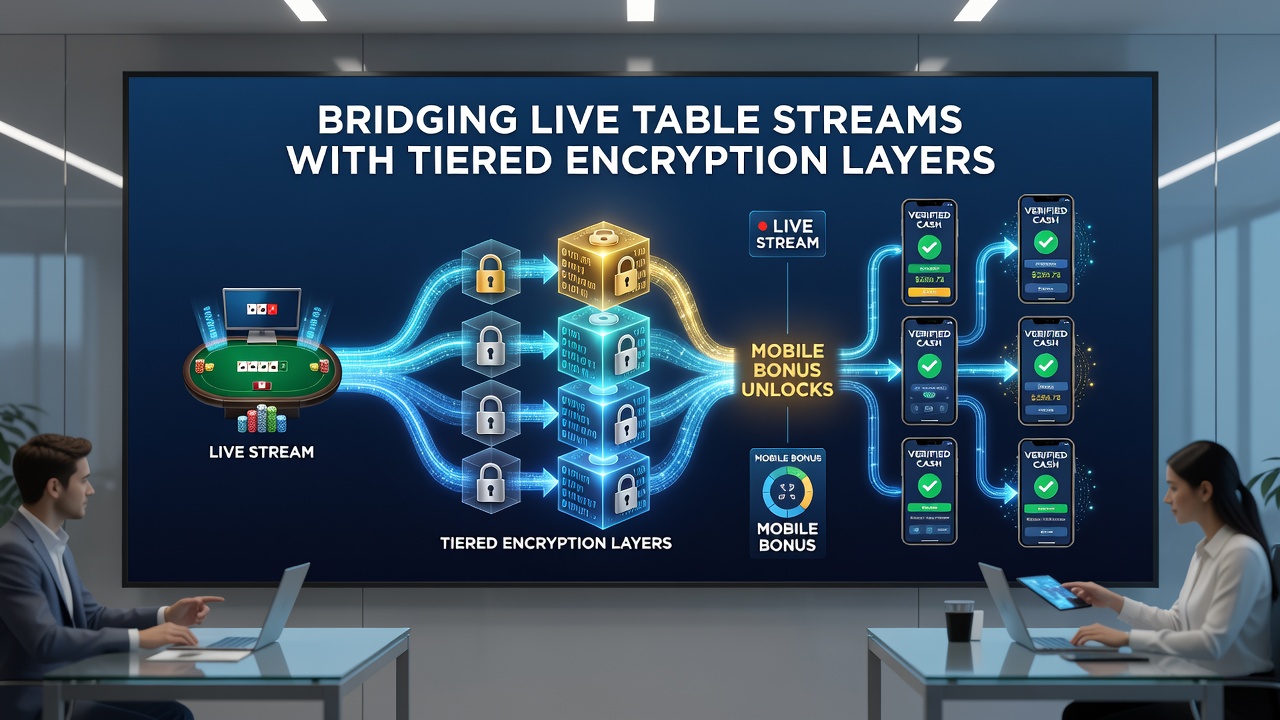
Cashout requests pull data from both the live stream archive and account ledgers, then route through verification layers that cross-check identity markers and transaction histories. Reports from regulatory bodies like the New Jersey Division of Gaming Enforcement highlight how these checks occur within seconds, maintaining compliance while supporting rapid fund releases to mobile wallets.
Encryption pathways ensure that withdrawal amounts match verified play records without exposing full session details, and operators often employ audit trails that log each step for external review. What's notable is the way these systems handle peak demand periods in June 2026, when mobile traffic volumes rose following expanded regional licensing agreements.
Bridging Mechanisms Connecting Streams to Security Layers
Integration points use application programming interfaces that translate stream events into encrypted commands for bonus and cashout functions, creating a unified workflow that avoids separate data silos. Studies conducted by academic research teams at institutions focused on secure systems demonstrate that this bridging reduces processing overhead by routing all elements through a single validation framework.
Engineers implement event listeners within the stream pipeline that flag qualifying actions, then forward encrypted payloads to dedicated servers for final confirmation. People who manage these platforms observe that the approach supports scalability across different device types while preserving the integrity of live interactions.
Current Developments as of Mid-2026
By June 2026 several operators had adopted updated encryption standards that further segment live video metadata from financial transaction data, and this shift followed collaborative guidelines issued by groups including the European Gaming and Betting Association. The changes enabled smoother mobile experiences where bonus unlocks and cashouts process in parallel with ongoing table streams.
Regulatory updates in multiple jurisdictions encouraged testing of these integrated setups, which in turn prompted vendors to refine their synchronization tools. Data collected during this period shows consistent performance metrics across varied network conditions, supporting broader adoption in portable gaming applications.
Conclusion
The combination of live table streams and tiered encryption continues to shape how mobile platforms manage bonus features and verified withdrawals, with technical frameworks evolving to meet operational and compliance demands. As these systems advance, the focus remains on maintaining secure, uninterrupted connections between dealer actions and player account functions.