Synchronizing Video Dealer Protocols with Transaction Encryption in Mobile Gaming Environments
Written by Harper Koch · Jun 24, 2026
Synchronizing Video Dealer Protocols with Transaction Encryption in Mobile Gaming Environments
Protocol harmonization in portable gaming systems requires precise coordination between live dealer video streams and encrypted transaction layers so that real-time interactions remain uninterrupted while financial data stays protected. Mobile platforms process continuous video feeds from dealer tables alongside payment verifications that occur in the background, and developers align these elements through standardized communication protocols that reduce latency and maintain data integrity across devices.
Core Components of Dealer Stream Integration
Live dealer streams in handheld systems rely on adaptive bitrate streaming combined with low-latency protocols such as WebRTC and HLS to deliver video from physical tables to mobile users. These streams carry synchronized audio, video, and metadata that indicate game state changes, and they must interface directly with backend systems that handle player actions without introducing delays. Research from the University of Nevada, Las Vegas Center for Gaming Research indicates that synchronization between stream metadata and game engines occurs at intervals under 50 milliseconds in optimized environments, allowing bets to register in alignment with visible dealer actions.
Encryption layers operate concurrently through protocols including TLS 1.3 and AES-256 for transaction data, while separate channels manage stream authentication to prevent unauthorized access. Observers note that portable systems often segment these functions so that video delivery uses one set of servers and payment processing uses isolated, tokenized endpoints that comply with regional data protection standards.
Technical Mechanisms for Harmonization
Harmonization occurs when application programming interfaces map stream events to transaction triggers in a single workflow. For instance, a player placing a bet during a live roulette round generates a stream event that the system captures, then routes through an encrypted channel for verification before confirming the wager on the dealer table interface. This process uses timestamp matching and sequence numbering to ensure that each action corresponds to the correct game state, and developers implement these mappings through middleware that translates between streaming formats and payment gateways.
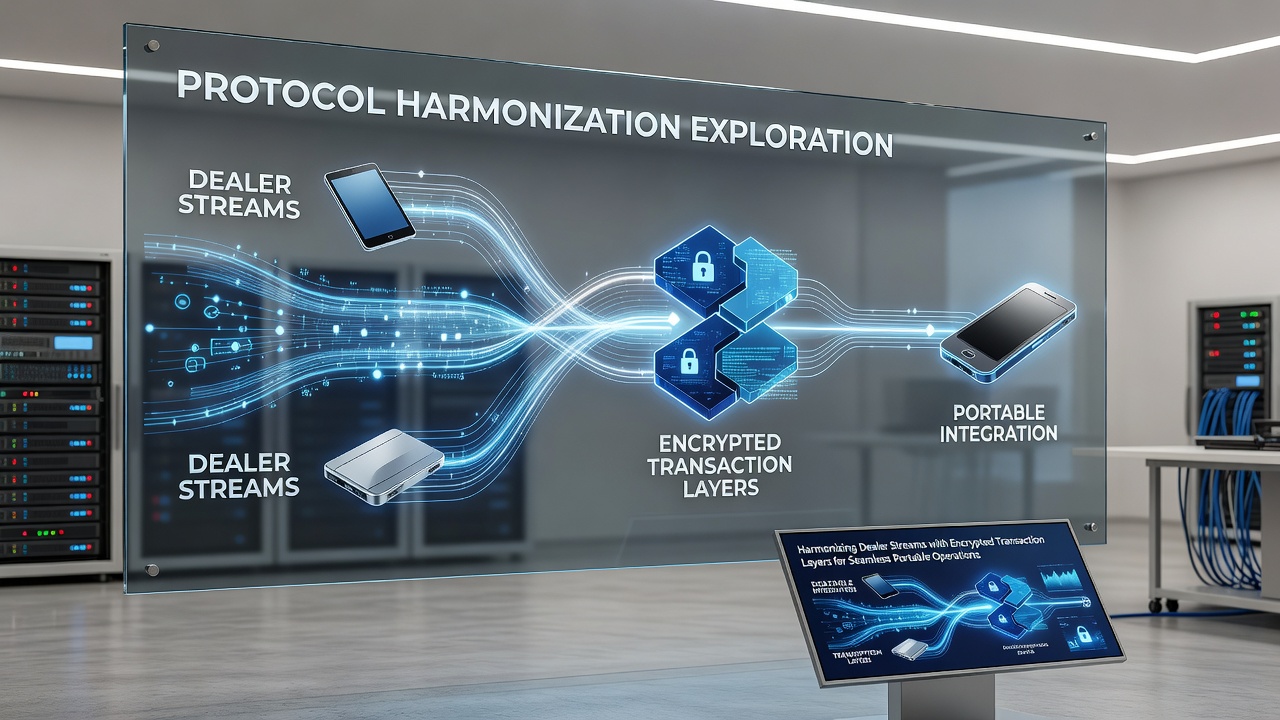
Data from industry reports shows that systems deployed as of June 2026 increasingly adopt unified session tokens that carry both stream session identifiers and transaction references, which reduces the need for separate authentication steps. These tokens expire after short windows and require revalidation through multi-factor methods embedded in the device hardware, such as biometric checks combined with device fingerprinting. Experts have observed that this approach supports continuous play across changing network conditions because the system can resume streams and pending transactions from the last verified state without full re-authentication.
Regional Implementation Patterns
Regulatory frameworks in different jurisdictions influence how these protocols are structured. Canadian provincial regulators require separate audit trails for streaming metadata and financial transactions, which leads developers to maintain parallel logging systems that still communicate through harmonized APIs. In Australia, the National Consumer Protection Framework emphasizes real-time responsible gambling checks that must occur within the same encrypted transaction layer used for deposits and withdrawals, prompting integration of verification calls directly into the stream synchronization process.
Portable gaming environments in European markets follow standards set by the European Gaming and Betting Association that encourage cross-platform protocol compatibility, allowing operators to deploy consistent harmonization layers across multiple device types. These standards specify encryption requirements and stream quality thresholds that together ensure transaction security does not compromise video delivery speeds.
Verification and Bonus Coordination
Bonus activation in mobile live dealer games depends on the same harmonized protocols that manage regular transactions. When a player meets wagering criteria during a streamed session, the system detects the qualifying events through stream metadata analysis, then processes the bonus award through the encrypted payment layer before updating the visible game balance. This sequence prevents discrepancies between what the player sees on screen and what the account records reflect, and it relies on atomic transaction commits that either complete fully or roll back without partial updates.
Those who study these systems note that error-handling routines play a significant role in maintaining harmony, because network interruptions can desynchronize stream state from transaction records. Recovery procedures typically pause the dealer stream momentarily while the transaction layer reconciles pending actions, then resume playback from the correct point once verification completes.
Conclusion
Protocol harmonization between dealer streams and encrypted transaction layers continues to evolve as portable gaming systems incorporate newer encryption standards and streaming technologies. Developers focus on reducing points of failure by unifying session management and verification processes, while regulatory bodies across regions enforce requirements that shape how these integrations are implemented. The result is mobile environments where live dealer experiences and financial operations function as coordinated elements rather than separate functions.