Unpacking the Role of Integrated Software Frameworks in Aligning Mobile Accessibility with Dealer Authenticity and Fund Transfer Reliability
Written by Harper Koch · Jul 18, 2026

Unpacking the Role of Integrated Software Frameworks in Aligning Mobile Accessibility with Dealer Authenticity and Fund Transfer Reliability
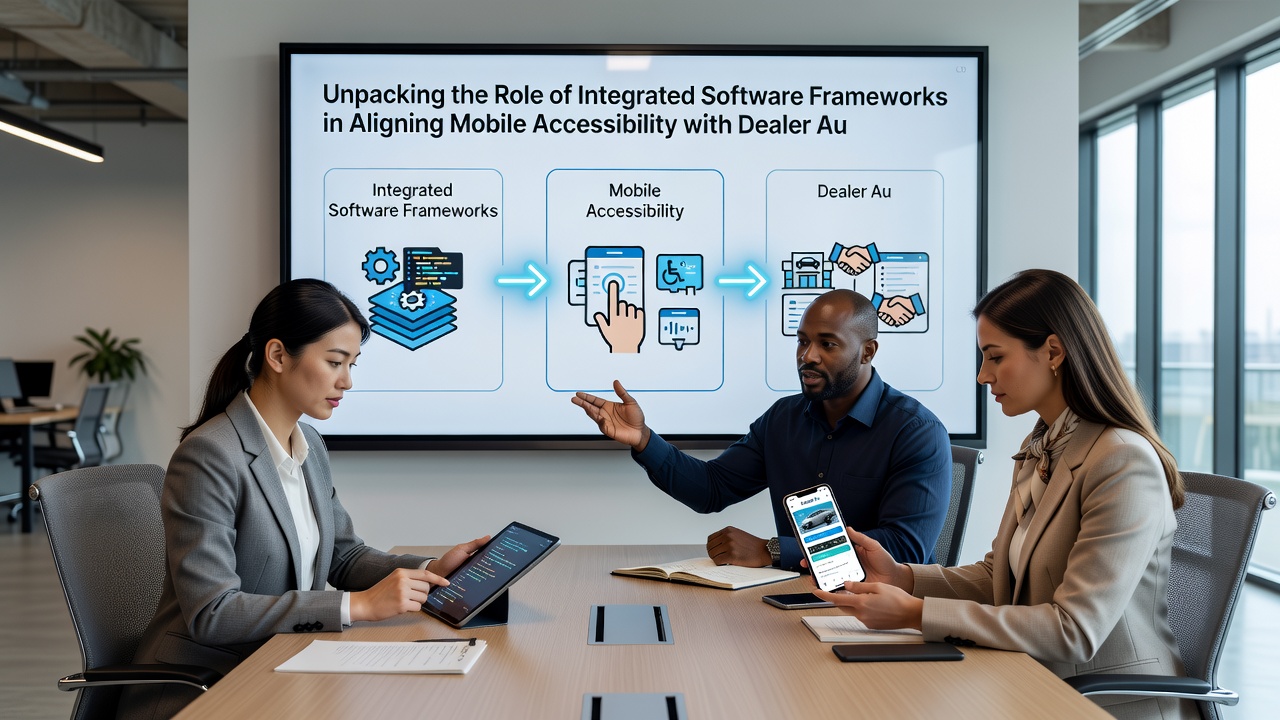
Integrated software frameworks serve as the backbone for mobile casino platforms where developers combine accessibility features with authentication protocols and secure transaction layers and these systems coordinate live dealer streams with verified payment channels so players access real-time tables without interruption while operators maintain compliance records across multiple jurisdictions. Observers note that such frameworks rely on modular APIs that handle device compatibility checks alongside biometric dealer identity confirmation and encrypted fund routing and data from industry reports indicates these components operate in synchronized cycles that reduce latency during high-volume play periods in July 2026.
Mobile Accessibility Through Unified Code Layers
Developers build accessibility modules that adapt interface elements to various screen sizes and input methods while maintaining consistent connections to backend verification services and these modules incorporate responsive design standards that adjust video stream quality based on network conditions so live dealer sessions remain stable across different regions. Research indicates that frameworks from major providers coordinate touch-optimized controls with real-time authentication handshakes and this coordination allows users on smartphones to join tables hosted by verified dealers without separate login sequences for each service.
Dealer Authenticity Verification Protocols
Software frameworks embed identity verification sequences that cross-reference dealer credentials against regulatory databases before streams go live and these sequences use facial recognition combined with license token checks to confirm that each participant matches approved records. According to the Nevada Gaming Control Board such protocols align with state-level requirements that mandate continuous monitoring of dealer feeds and the integration ensures that any mismatch triggers immediate stream pauses while maintaining player session continuity through buffered reconnection logic.
Those who study platform architecture find that dealer authenticity modules operate alongside accessibility tools so mobile users receive clear indicators of verified status during gameplay and this alignment prevents unauthorized participants from entering sessions while preserving smooth navigation on handheld devices.
Fund Transfer Reliability and Encryption Pathways
Payment processing components within these frameworks route transactions through multi-layered encryption that syncs with bonus activation triggers and withdrawal requests and the pathways connect directly to verified banking partners so funds move only after identity checks complete successfully. Figures from regulatory filings reveal that integrated systems achieve higher completion rates for mobile transfers because they consolidate verification steps into single framework calls rather than sequential external queries.
Experts have observed that reliability improves when frameworks apply consistent hashing algorithms across both fund movements and dealer authentication events adn this consistency reduces the chance of mismatched records that could delay player access during peak hours. In July 2026 several platforms reported updates to these encryption standards following industry-wide testing cycles that confirmed faster settlement times without compromising audit trails.
Coordination Mechanisms Across Components
Frameworks achieve alignment through event-driven architectures that broadcast status updates between accessibility engines dealer verification services and payment gateways and these broadcasts use standardized data formats so each subsystem responds to changes in real time. Observers note that the result appears in reduced error rates for combined mobile sessions where players switch between tables and account functions without losing progress on active transfers or authenticated streams.
Case studies from software vendors show that one platform reduced mobile session drop-offs after implementing shared session tokens that carry verification status across all three functional areas and the approach allows operators to maintain regulatory compliance records in a centralized log while players experience uninterrupted access.
Regulatory Alignment and Technical Standards
Frameworks incorporate compliance hooks that map directly to requirements from multiple authorities including those in North America and the Asia-Pacific region and these hooks generate automated reports that detail how mobile accessibility features interact with dealer checks and fund security measures. Data shows that platforms adopting unified frameworks pass audit reviews more efficiently because the same code base handles documentation for accessibility metrics authenticity logs and transfer histories.
Researchers at institutions focused on digital gaming technology have documented how such integration supports cross-border operations where operators must satisfy differing rules on identity confirmation and payment encryption and the frameworks allow localized configuration without rebuilding core accessibility or authentication layers.
Conclusion
Integrated software frameworks continue to shape how mobile casino environments balance accessibility dealer authenticity and fund transfer reliability through coordinated modules that operate on shared data pathways and the approach supports regulatory adherence across varied jurisdictions while enabling consistent player experiences on handheld devices. Updates observed in July 2026 highlight ongoing refinements to these systems as operators respond to evolving technical standards and compliance expectations.